Commercial Roofing Services
You're managing a commercial property, and understanding roof-leak-detection-and-repair.html">roof-maintenance-tips-to-extend-your-roofs-lifespan.html">roof-repair-signs-your-roof-needs-professional-repair.html">roof-replacement-when-is-it-time-for-a-new-roof.html">roofing services is essential for protecting your investment. With materials like TPO, EPDM, and metal panels, each offers unique advantages. But how do you know when repairs are necessary? Regular maintenance isn't just a recommendation; it's a smart strategy to avoid costly fixes. Choosing the right contractor and staying informed on trends like green and smart roofing can greatly impact efficiency and sustainability. Curious about optimizing your roof's performance?
Types of Commercial Roofing Materials Explained
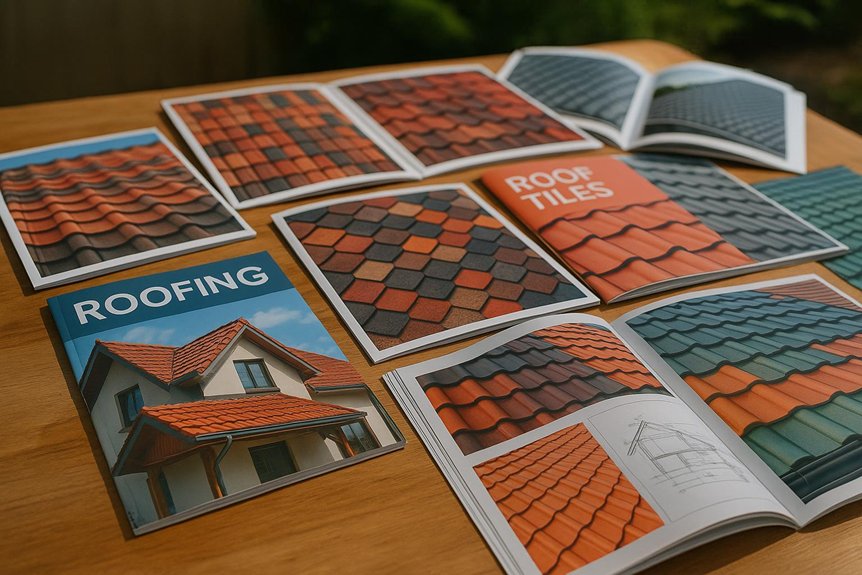
When exploring the diverse world of commercial roofing materials, it’s essential to understand the unique properties and applications of each option.
TPO membranes offer excellent energy efficiency and durability, while EPDM roofing is known for its flexibility and weather resistance.
Metal panels provide longevity and low maintenance, suitable for various climates.
Modified bitumen combines layers for enhanced protection, ideal for heavy-duty installations.
Green roofing promotes sustainability by integrating vegetation, improving insulation.
Built-up roofs, or BURs, integrate multiple layers for superior durability.
PVC roofing delivers chemical resistance, perfect for industrial settings.
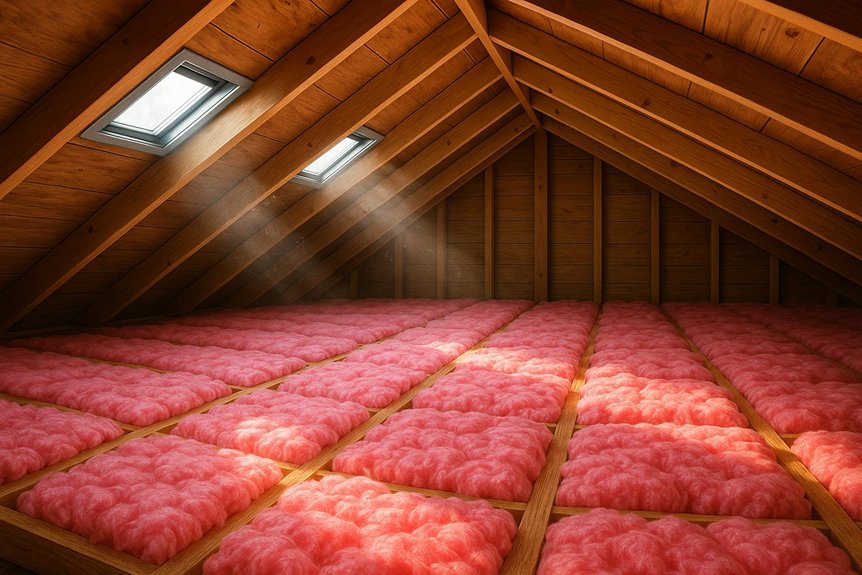
Spray foam not only provides seamless coverage but also maximizes roof insulation and energy savings.
Each material offers distinct advantages, tailored to specific commercial needs.
Signs Your Roof Needs Repair
Understanding the diverse materials available for commercial roofing is just one part of maintaining a roof's longevity. You must also master the art of leak detection and commit to regular roof inspections.
Look for signs like water stains or mold growth—these are red flags indicating potential breaches in your roofing membrane. Flashing deterioration is another critical factor; compromised flashing can lead to water infiltration. Inspect the seams and joints meticulously, as they’re common culprits for leaks.
Ponding water is a telltale sign of inadequate drainage, often leading to structural damage. Don’t overlook blistering or bubbling, which signals trapped moisture.
Benefits of Regular Roof Maintenance
Incorporating routine maintenance into your roofing strategy greatly extends the roof's lifespan by identifying minor issues before they escalate.
You'll mitigate the risk of costly repairs by addressing wear and tear through systematic inspections and proactive interventions.
Utilizing industry-standard techniques guarantees peak performance and safeguards your investment.
Prolongs Roof Lifespan
Regular roof maintenance greatly extends its lifespan, offering both economic and structural benefits.
By focusing on roof preservation through meticulous maintenance strategies, you guarantee that your commercial roofing system remains robust and efficient.
Here's how regular maintenance can impact longevity:
- Inspection Protocols: Regular assessments identify potential issues early, allowing for timely interventions and reducing wear.
- Debris Management: Clearing debris prevents water accumulation and material degradation, vital for roof longevity.
- Seam Integrity Checks: Confirming seams are intact prevents leaks and maintains structural integrity.
- Protective Coatings: Applying coatings guards against UV damage and weathering, enhancing durability.
Prevents Costly Repairs
Investing in regular roof maintenance shields your commercial property from costly repairs. By implementing preventive maintenance, you can identify minor issues before they escalate into significant problems.
Regular inspections and upkeep guarantee that your roofing system functions at its best, reducing the likelihood of leaks, structural damage, or system failures.
Incorporating preventive maintenance into your routine allows you to establish an effective repair budgeting strategy. By forecasting potential expenses, you can allocate resources efficiently and avoid unexpected financial burdens.
This proactive approach minimizes downtime, preserving your business operations and safeguarding your investment.
Technicians utilize advanced diagnostic tools and industry-specific techniques to assess and maintain your roof's integrity, assuring long-term performance.
Need a Roofing Contractor?
Find licensed, reviewed roofing professionals in your area. Get free estimates from verified contractors.
Find Local Roofers Call (866) 466-9085Cost Factors in Commercial Roofing Projects
When evaluating commercial roofing costs, you'll need to assess how material selection impacts overall expenses, factoring in durability and performance.
Labor and installation costs can fluctuate based on complexity and regional wage standards, influencing your budget greatly.
Additionally, the project's size directly affects the scale of resources required, making it essential to calculate precise measurements and logistics.
Material Selection Impact
Selecting the right materials for commercial roofing projects greatly impacts overall costs, as each material offers distinct durability, energy efficiency, and maintenance requirements.
Consider these factors when evaluating options:
- Energy Efficiency: Opt for materials like TPO or EPDM, known for reflecting sunlight and reducing cooling costs.
- Durability: Metal and modified bitumen offer extended lifespans, minimizing future replacement expenses.
- Sustainability Practices: Choose green roofs or recycled materials to align with eco-friendly goals and potentially qualify for tax incentives.
- Maintenance Requirements: Asphalt shingles may require more frequent upkeep, affecting long-term budget planning.
Labor and Installation Costs
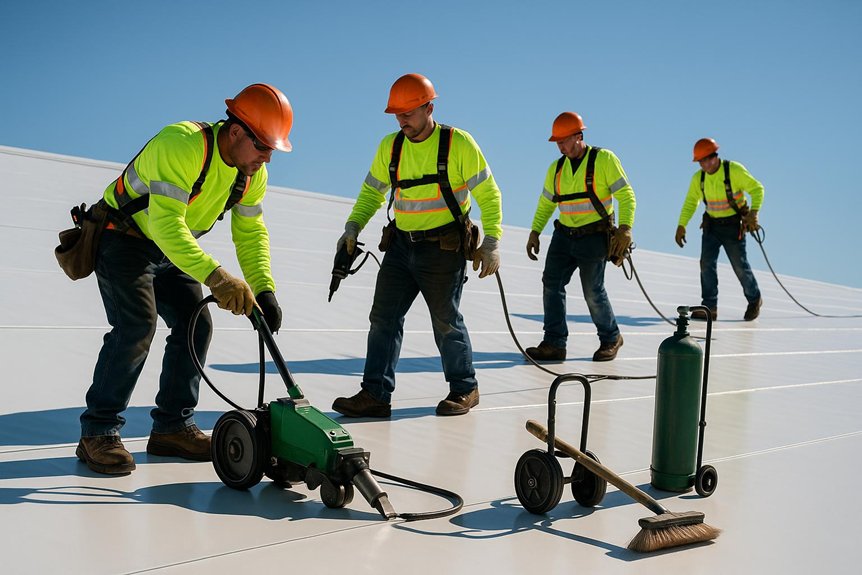
Understanding labor and installation costs is essential to managing the budget of a commercial roofing project. Labor rates fluctuate based on region, skill level, and demand for specialized trades. You’ll want to assess these variables to guarantee competitive pricing.
Installation techniques also influence costs considerably. Advanced techniques may require highly skilled labor, impacting overall expenses.
Consider the type of roofing system—whether it's TPO, EPDM, or modified bitumen—as each demands specific expertise and time commitment. Efficient scheduling and proper crew allocation can optimize labor utilization, reducing idle time and enhancing productivity.
Negotiating contracts that clearly define scope and timelines helps mitigate unexpected expenses. By focusing on these elements, you’ll effectively control your project's financial outlay without compromising on quality.
Project Size Considerations
Project size greatly influences the cost dynamics of commercial roofing projects. When you evaluate your project scope, a detailed budget assessment is vital.
Larger projects typically demand more materials and labor, impacting overall expenses. Here’s how size affects costs:
- Material Volume: Bigger roofs require more materials, affecting bulk purchasing strategies and pricing negotiations.
- Labor Intensity: Extensive projects often need additional crews, increasing labor hours and costs.
- Logistics and Equipment: Large-scale undertakings may necessitate specialized equipment, adding to logistical complexities and expenses.
- Timeframe: Larger scope often means extended timelines, potentially leading to higher overhead and project management fees.
Assessing these factors guarantees you’re prepared for the financial impact, aligning your project scope with realistic budget expectations.
Tips for Choosing a Roofing Contractor
How do you guarantee you're hiring the right roofing contractor for your commercial needs? Start by evaluating contractor credentials; confirm they’re licensed and insured. Verify their experience with similar projects. Scrutinize their project timelines—are they realistic and efficient? A detailed timeline showcases a contractor's planning skills and respects your operational needs.
| Criteria | Importance | Consideration |
|---|---|---|
| Contractor Credentials | High | License, insurance, experience |
| Project Timelines | Critical | Realistic, efficient, detailed |
| References & Reviews | Essential | Past client satisfaction, ratings |
Check references and reviews for an extensive understanding of their reputation. A contractor’s ability to maintain quality and adhere to timelines directly impacts your business continuity. Being meticulous in your selection guarantees a successful roofing project.
Emerging Trends in Commercial Roofing
As the commercial roofing industry evolves, staying informed about emerging trends is essential for maintaining competitive advantage. You’ll find that advancements like green roofing and technology integration are transforming the landscape. Here’s what to watch:
- Green Roofing: Implement eco-friendly materials and designs to enhance sustainability and energy efficiency. This trend reduces heat islands and supports environmental initiatives.
- Technology Integration: Leverage drones and AI for inspections and maintenance. These tools offer precision and data-driven insights, minimizing human error.
- Cool Roof Coatings: Employ reflective surfaces to decrease heat absorption, leading to reduced energy costs and increased roof longevity.
- Smart Roofing Systems: Utilize IoT-enabled sensors for real-time monitoring of roof conditions, enabling proactive maintenance and extending lifespan.
Stay ahead by adapting these innovations.
Frequently Asked Questions
How Long Does a Commercial Roof Typically Last?
A commercial roof typically lasts 20-30 years. You’ll find that roof lifespan factors include material choice, climate, and installation quality.
To maximize longevity, conduct regular inspections and clean gutters to prevent water damage. Implement maintenance tips like sealing seams and repairing damage promptly.
Understanding these elements guarantees you’re proactive in preserving your roof's integrity, reducing costs, and extending its functional life through diligent care and professional oversight.
What Are the Best Ways to Prevent Roof Leaks?
To prevent roof leaks, prioritize regular roof maintenance and early leak detection.
Conduct bi-annual inspections, checking for damaged flashings and clogged drains. Use infrared thermography for precise moisture identification.
Implement a proactive repair strategy, addressing minor issues before they escalate. Guarantee proper sealing around penetrations and maintain a robust gutter system.
How Often Should a Commercial Roof Be Inspected?
You should schedule a roof inspection frequency of twice a year for ideal commercial roof maintenance. This guarantees any potential issues are caught early.
During inspections, look for membrane wear, flashing integrity, and drainage effectiveness. Regular checks help prevent costly damage and maintain structural integrity.
Incorporate thermal imaging and moisture surveys for a thorough analysis. This proactive approach minimizes unexpected repairs, extending your roof's lifespan and guaranteeing safety.
Are There Eco-Friendly Options for Commercial Roofing?
Yes, there are eco-friendly options for commercial roofing. You can choose green materials like recycled metal or thermoplastic polyolefin (TPO) membranes.
These options enhance energy efficiency by reflecting sunlight and reducing heat absorption. Consider installing a green roof system, which includes vegetation layers that improve insulation.
You'll find that these choices not only lower energy costs but also contribute to sustainable building practices, aligning with industry standards for environmental responsibility.
How Does Weather Impact Commercial Roof Durability?
Weather patterns greatly influence roof durability.
You’ll find that materials like TPO and EPDM withstand UV exposure better, while metal roofs excel in heavy snow.
High winds can uplift shingles, so consider reinforced membrane systems.
Rainwater pooling tests drainage efficiency, impacting longevity.
Thermal cycling causes expansion and contraction, stressing seams.
Selecting appropriate roof materials based on local climate guarantees peak performance and extends your roof's lifespan.
Browse our national roofing directory to find licensed contractors near you. See pricing guides for Indianapolis, Atlanta, Philadelphia, Colorado Springs, Tucson, and more.