How Much Does a New Roof Cost?
When you're considering a new roof-repair-storm-damage-and-leak-response.html">roof-repair-and-maintenance.html">roof, understanding the cost involves more than just picking materials. You'll need to weigh the affordability of asphalt shingles against the longevity of slate or metal. Don't forget labor expenses and the impact of your roof's size. Regional price differences and potential surprise costs, like permits or structural repairs, also play a role. Curious about smart ways to manage these expenses? Let's break it down.
Roofing Material Comparison: Asphalt vs. Slate
When comparing roofing materials, asphalt and slate stand out for their distinct advantages and cost implications.
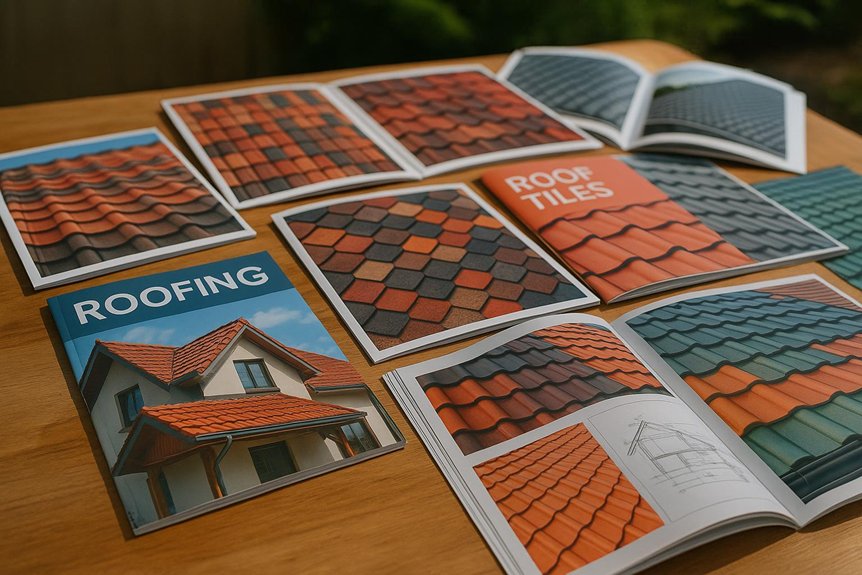
Asphalt shingles offer several benefits, including affordability and ease of installation-and-repair.html">installation. They’re lightweight, making them suitable for most home structures. You’ll appreciate their variety of styles and colors, allowing for customization without breaking the bank.
Affordable and easy to install, asphalt shingles offer lightweight versatility in styles and colors.
On the other hand, slate is renowned for its unmatched durability and elegance. It’s a natural stone, providing a lifespan that can exceed 100 years if properly maintained.
While the initial investment for slate is considerably higher than asphalt, its durability often justifies the cost. Consider your budget and long-term needs carefully. Asphalt may be cost-effective upfront, but slate offers enduring value over time.
What Affects Roof Replacement Costs?
When considering roof replacement costs, your material choices play a significant role, with options like asphalt being more budget-friendly than slate.
Labor expenses can vary based on the complexity of your roof's design and the expertise required for installation.
Additionally, factors such as roof pitch and accessibility directly influence the time and resources needed, impacting the overall cost.
Material Choices Impact Cost
While selecting materials for your new roof, it’s essential to understand how these choices impact overall costs.
Metal roofing benefits, like durability and energy efficiency, often justify their higher price, averaging $5 to $14 per square foot. They reflect solar heat, reducing cooling costs.
Alternatively, eco-friendly options, such as recycled shingles, provide sustainable solutions. These range from $4 to $7 per square foot and minimize environmental impact while offering decent longevity.
Asphalt shingles, a budget-friendly choice at $1.50 to $5.50 per square foot, provide versatility but might require more frequent replacements.
Each material presents unique advantages and cost implications. By weighing factors like lifespan, energy savings, and environmental benefits, you can make an informed decision that aligns with your budget.
Labor and Installation Factors
Choosing the right roofing material is just one piece of the cost puzzle; labor and installation play a significant role in roof replacement expenses. Understanding these factors helps you manage your budget effectively.
Labor rates differ based on location, complexity, and experience. Skilled professionals might charge more, but their expertise guarantees quality work. Installation techniques also affect costs. Complex designs or eco-friendly solutions might require specialized skills, impacting the final price.
Here’s what to take into account:
- Labor Rates: Vary widely; urban areas typically see higher costs.
- Installation Techniques: Complex methods increase labor time and cost.
- Roof Accessibility: Difficult-to-reach areas can raise expenses due to extra equipment or time needed.
Being informed helps you make cost-effective decisions.
Roof Size and Budget Impact
When planning for a new roof, you'll find that the dimensions play an essential role in determining the overall cost.
Larger roofs require more materials and labor, which can greatly impact your budget. Understanding these factors helps you allocate resources efficiently and anticipate expenses more accurately.
Roof Dimensions Matter
Understanding how roof dimensions impact your budget is essential when planning for a new roof. The size of your roof directly influences material and labor costs. Larger roofs generally mean higher expenses.
Design complexity also adds to the cost; intricate shapes or steep slopes require specialized skills and more time. Access difficulty can increase labor charges if your roof is hard to reach.
Consider these factors:
- Local Regulations: Compliance with codes might necessitate specific materials or methods.
- Climate Considerations: Weather conditions could demand particular roofing types.
- Existing Damage: Repairs needed before installation can add to the budget.
Budget Considerations Explained
While planning your roofing budget, it’s crucial to recognize how the size of your roof impacts costs. Larger roofs require more materials and labor, directly increasing overall expenses.
During budget planning, calculate the square footage to estimate material needs and labor hours accurately. Roofing materials vary in price, so consider your choices carefully, as they can greatly affect your budget. For instance, asphalt shingles are generally more affordable than metal or slate options.
Explore financing options to manage costs effectively. Many contractors offer payment plans or partnerships with financial institutions to help spread the cost over time.
Regional Price Differences for Roofing
Due to various factors, roofing costs can vary considerably across regions. Understanding regional pricing helps you make informed decisions. Here’s what to evaluate:
Roofing costs fluctuate regionally; consider climate, regulations, and material availability for informed decisions.
- Climate Impact: Areas with harsh weather conditions often see higher roofing costs. Materials like metal or slate may be preferred, driving up prices.
- Local Regulations: Building codes and permit fees differ widely. For example, coastal regions might require additional waterproofing, influencing costs.
- Material Availability: Proximity to suppliers affects material pricing. Remote areas might experience increased costs due to transportation fees.
Keep an eye on roofing trends in your area. Popular materials or styles can sway prices.
Need a Roofing Contractor?
Find licensed, reviewed roofing professionals in your area. Get free estimates from verified contractors.
Find Local Roofers Call (866) 466-9085Roofing Labor Costs: What to Expect
Regional pricing variations aren't the only factors influencing roofing expenses. You also need to take into account labor rates, which can greatly affect your overall cost.
Labor costs vary depending on the complexity of the installation techniques required for your roof type. For instance, a simple asphalt shingle roof might have lower labor costs compared to a slate or tile roof, which demands more skill and time.
Typically, labor rates range from $1.50 to $3.00 per square foot. An experienced crew can expedite the process, reducing labor time and potentially saving you money.
However, don’t skimp on quality for a lower rate; skilled installation guarantees longevity. By understanding these factors, you can better prepare for the roofing project's expenses.
Surprise Costs to Watch Out For
Even the most meticulous budget can be disrupted by unexpected roofing expenses. When planning, it’s essential to take into account potential hidden costs that might arise. These can catch you off guard and inflate your overall budget.
Unexpected roofing costs can disrupt even the best budget, so plan for hidden expenses.
- Permit Fees: Depending on your location, acquiring the necessary permits can result in unexpected fees, adding to your costs.
- Structural Repairs: Once the old roof is removed, hidden expenses may surface if underlying structures like the decking need repairs or replacements.
- Waste Disposal: Disposal of the old roofing material mightn't be included in the initial quote, leading to additional charges.
Understanding these potential surprises helps you prepare financially, ensuring you’re not blindsided by unforeseen expenses during your roofing project.
Tips to Save on Your New Roof
When planning a roofing project, understanding how to save money can be as essential as the project itself. Start by exploring financing options. Many contractors offer payment plans, allowing you to spread costs over time.
Additionally, check for government incentives for using eco-friendly materials. These sustainable options, like recycled shingles or metal roofing, can reduce long-term energy costs, offering savings on utility bills.
Consider the timing of your project. Off-peak seasons might yield lower labor costs. Also, get multiple quotes to compare prices and services.
Make certain you understand the cost breakdown, including labor, materials, and permits. Don’t hesitate to negotiate; some contractors might offer discounts.
Frequently Asked Questions
How Long Does a New Roof Installation Take?
A new roof installation typically takes a few days, depending on your specific roofing project phases.
First, you'll experience the removal of the old roof, which can last a day.
Next, the roof installation timeline involves laying underlayment and shingles, usually taking one to two days. Weather conditions and roof size can affect this.
An expert will provide a detailed cost breakdown and guarantee each phase is completed efficiently.
What Warranties Are Available for New Roofs?
When considering new roofs, you’ll find two main warranties: material warranties and labor warranties.
Material warranties cover defects in roofing materials, often lasting 20 to 50 years, depending on the material type.
Labor warranties protect against installation errors, usually ranging from 2 to 10 years.
It’s essential to understand these warranties' terms, as they can impact long-term costs and peace of mind.
Always review warranty specifics with your contractor.
Can I Finance a New Roof Installation?
You can finance a new roof installation through various roofing loans and financing options. Many companies offer specialized loans with competitive interest rates.
Look into home equity lines, personal loans, or contractor-offered plans. Each option has different terms, like repayment periods and interest rates, impacting overall cost.
Evaluate your budget, credit score, and long-term financial plans to select the best fit. Proper research guarantees you make an informed decision.
How Often Should a Roof Be Inspected?
You should inspect your roof at least twice a year. This roof inspection frequency helps catch early signs of deterioration like cracked shingles or leaks.
In spring and fall, look for issues like missing tiles or moss growth. By addressing minor problems, you prevent costly repairs.
Costs for professional inspections vary, typically ranging from $100 to $300, but catching damage early can save you thousands in the long run.
Are There Eco-Friendly Roofing Options Available?
Yes, there are eco-friendly roofing options available.
You can explore green roofing materials like recycled metal or sustainable wood.
Consider energy-efficient options such as cool roofs, which reflect sunlight and reduce cooling costs.
While initial costs might be higher, these choices often lead to long-term savings on energy bills.
Plus, they contribute to a healthier environment, making them a smart investment for eco-conscious homeowners.
Browse our national roofing directory to find licensed contractors near you. See pricing guides for Tampa, Orlando, Houston, Miami, Fort Myers, and more.