Drain Cleaning Services: Signs You Need Professional Drain Cleaning
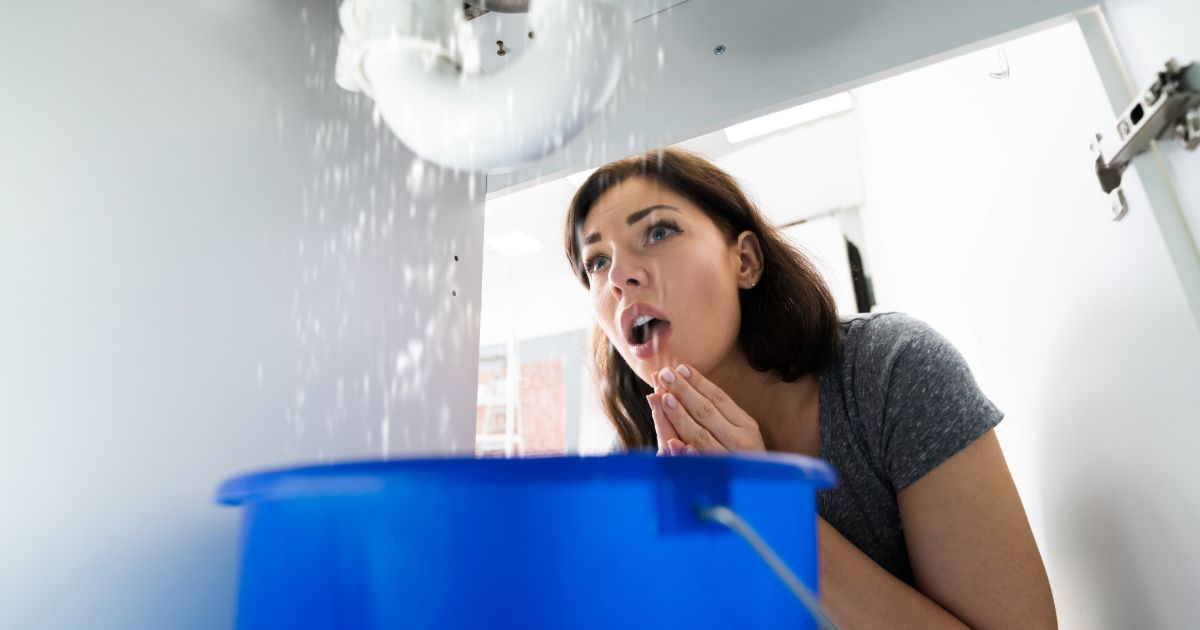
You might notice slow drains, unpleasant odors, or gurgling sounds from your pipes. These can be signs that your plumbing needs attention beyond DIY solutions. Frequent clogs and water-line-repair-and-replacement.html">water backups, especially affecting multiple fixtures, indicate a more serious issue. Ignoring these problems risks costly damage. Understanding when to call in professionals is essential for maintaining an efficient plumbing system. Want to guarantee everything flows smoothly? Let’s explore these warning signs further.
Key Takeaways
- Persistent unpleasant odors despite DIY cleaning methods indicate a need for professional drain cleaning.
- Slow-draining sinks that don't improve with basic unclogging methods require expert intervention.
- Frequent clogs suggest deeper plumbing issues that professional services can address efficiently.
- Gurgling sounds in pipes, even after maintenance, signal trapped air and potential blockages needing professional help.
- Water backups affecting multiple fixtures necessitate immediate professional inspection to prevent extensive damage.
How to Identify Slow Draining Sinks
Ever wondered why your sink is taking longer to drain? Recognizing slow drain signs early can save you time and hassle.
You might notice water pooling around the drain or a gurgling sound as the water finally escapes. These are clear indicators that something's amiss.
Common causes include buildup of hair, soap scum, or food particles in the pipes. Over time, these elements accumulate, restricting water flow and causing delays.
It’s essential to address these issues promptly to prevent more serious plumbing problems.
Regularly checking for these signs and understanding their causes allows you to tackle minor issues before they escalate.
Dealing With Unpleasant Drain Odors
Identifying the source of unpleasant drain odors is essential, as they often originate from trapped food particles, grease, or biofilm.
You can tackle minor odors with DIY solutions like baking soda and vinegar, but persistent smells might require professional intervention.
Knowing when to call in experts guarantees that underlying issues are effectively addressed.
Identifying Odor Sources
When unpleasant drain odors invade your space, pinpointing their source becomes essential. Effective odor detection methods include inspecting common odor sources like kitchen sinks, bathrooms, and laundry drains. Check for food debris buildup, soap scum, or biofilm causing the stench. It's vital to understand the potential culprits to address the issue accurately.
Here's a table to help you identify common sources:
| Area | Possible Cause | Odor Detection Method |
|---|---|---|
| Kitchen Sink | Food Debris | Visual Inspection |
| Bathroom Drain | Soap Scum/Biofilm | Smell Test/Inspection |
| Laundry Drain | Mold/Mildew | Visual/Smell Test |
DIY Odor Solutions
After pinpointing the sources of those unpleasant drain odors, it's time to tackle the issue with some effective DIY solutions.
Start with natural remedies like pouring a mixture of baking soda and vinegar down the drain. The fizzing action helps break down minor clogs and neutralizes odors. Follow up with hot water to flush the system.
For ongoing preventative maintenance, consider using lemon peels. Grind them in the garbage disposal to leave a fresh scent.
Regularly clean drain covers and traps to prevent debris buildup, which often leads to smells. Incorporate these steps into your routine to maintain a fresh-smelling drainage system.
If odors persist despite these efforts, reassess your approach for any overlooked issues.
When to Call Professionals
Even if you've tried every DIY method, sometimes those pesky drain odors just won't go away. When this happens, it’s time to contemplate professional services.
Persistent odors often indicate underlying issues like deep clogs or bacterial buildup that typical drain maintenance can’t handle alone.
Professional plumbers have specialized tools and expertise to identify and resolve these hidden problems efficiently. They can perform a thorough inspection, ensuring that all potential causes are addressed.
Their advanced techniques, such as hydro jetting, can eliminate stubborn buildup, restoring your drains to ideal condition.
Don’t let unpleasant odors disrupt your home environment. By calling in professionals, you not only solve the immediate issue but also enhance long-term drain maintenance, preventing future problems.
Trust the experts for a clean, odor-free home.
Understanding Frequent Clogs and Blockages
While dealing with plumbing issues can be frustrating, understanding frequent clogs and blockages helps prevent them. Identifying clog causes is essential for effective blockage prevention.
Common culprits include hair, grease, and food particles. Regular maintenance and mindful usage can greatly reduce the occurrence of these issues.
Here are steps you can take:
- Install Drain Screens: Catch debris before it enters your pipes, minimizing blockages.
- Avoid Pouring Grease: Grease solidifies and clogs pipes. Dispose of it properly.
- Flush Drains Regularly: Use hot water to help break down potential clogs.
- Be Mindful of What Goes Down: Confirm only water, soap, and appropriate waste enter drains.
Need a Plumber Now?
Find licensed, reviewed plumbers in your area. Browse our nationwide directory of verified professionals.
Find Local Plumbers Call (866) 466-7190Why Your Pipes Make Gurgling Sounds
Understanding frequent clogs and blockages lays the groundwork for tackling other plumbing issues, such as gurgling sounds in pipes.
These noises often indicate trapped air within the plumbing system. When water flows past a blockage, it causes air pockets to form, resulting in gurgling noises and pipe vibrations. This can be due to partial clogs or venting issues.
The vibrations you hear are a warning that your pipes are struggling to maintain proper flow. Ignoring these sounds might lead to more serious problems, such as complete blockages or even pipe damage.
It’s essential to address the cause of gurgling noises promptly. Regular maintenance and inspection can prevent these issues, ensuring your plumbing system functions efficiently and quietly.
Consider calling a professional for a thorough evaluation.
What to Do When Water Backs Up
When water backs up in your sinks or tubs, it’s essential to act quickly to mitigate potential damage. Blocked drains can lead to serious drainage issues and disrupt water flow.
Here’s what you should do:
- Stop Using Water: Immediately cease using water in the affected area to prevent further overflow and worsening drainage issues.
- Identify the Problematic Drain: Check if the backup is isolated to one fixture or if multiple areas are affected, indicating a larger issue.
- Clear Visible Blockages: Use a plunger or drain snake to remove any obvious clogs that might be obstructing water flow.
- Call a Professional: If the problem persists, it’s vital to contact a professional for thorough inspection and resolution to avoid extensive damage.
When Aren't DIY Solutions Enough?
Despite your best efforts with a plunger or drain snake, some drainage issues require more than DIY solutions. Persistent clogs or foul odors might indicate deeper problems within your plumbing system.
When typical drain maintenance fails, it’s time to contemplate professional help. Hidden issues like pipe corrosion, root intrusion, or severe blockages often need advanced tools and expertise.
Regular plumbing inspections can identify these underlying problems before they escalate. Professionals use techniques like hydro-jetting and camera inspections to diagnose and resolve complex issues efficiently.
Ignoring these signs can lead to costly installation-guide.html">repairs and potential water damage. So, when your DIY attempts fall short, don't hesitate to call in the experts for thorough drain maintenance and lasting solutions.
Frequently Asked Questions
How Often Should I Schedule Professional Drain Cleaning?
Schedule professional drain cleaning every 12 to 18 months to guarantee effective drain maintenance.
This scheduling frequency helps prevent clogs and keeps your plumbing system running smoothly.
By sticking to this routine, you’ll minimize potential issues and prolong the life of your pipes.
Regular maintenance not only addresses existing problems but also identifies potential ones early, saving you from costly repairs down the line.
Stay proactive, and your drains will thank you.
Can Tree Roots Affect My Drains?
Yes, tree roots can affect your drains.
Tree root intrusion often occurs when roots seek moisture and infiltrate your drainage system through small cracks or joints. This intrusion can lead to blockages and damage over time.
It's essential to monitor your drainage system and address any signs of slow drains or backups promptly. Regular inspections and professional cleaning can help prevent extensive damage caused by persistent root issues.
What Are the Benefits of Hydro Jetting?
Hydro jetting benefits you by thoroughly clearing your drains using high-pressure water.
The hydro jetting process effectively removes stubborn blockages, like grease or mineral buildup, and even tree roots. It's more efficient than traditional methods, ensuring long-lasting results.
You'll appreciate that it’s environmentally friendly, as it uses no harsh chemicals.
Plus, it minimizes damage to your pipes, extending their lifespan and saving you money on future repairs.
How Does Hard Water Impact My Plumbing?
Hard water impacts your plumbing by causing mineral buildup, leading to significant plumbing issues.
The minerals can clog pipes and fixtures, resulting in reduced water flow. Over time, this buildup causes pipe corrosion, shortening their lifespan.
To combat this, use water softeners to reduce mineral content.
Regular maintenance, like checking for deposits and cleaning fixtures, helps prevent these problems, ensuring your plumbing system runs efficiently and lasts longer.
Are Chemical Drain Cleaners Safe for Pipes?
Chemical drain cleaners can damage your pipes over time, especially if used frequently. They can cause corrosion and weaken pipe integrity.
Instead, consider chemical drain alternatives like baking soda and vinegar or enzymatic cleaners.
For effective plumbing maintenance, regularly clean drains with hot water and use a drain cover to catch debris.
These practical tips help maintain your plumbing system’s health and prevent costly repairs.
Browse our national plumbing directory to find licensed plumbers near you.