Plumber vs DIY: When to Call a Professional
When you're tackling plumbing issues, deciding between a DIY approach and hiring a professional requires careful consideration of your skills and the task's complexity. You might handle basic jobs like unclogging signs-you-need-professional-drain-cleaning.html">drains, but intricate problems, such as major leaks, demand expert intervention to prevent costly errors. Understanding when to call a plumber is essential for maintaining your home's plumbing integrity. Could your next plumbing challenge be more than you bargained for?
Key Takeaways
- Evaluate task complexity; professionals handle intricate repairs, DIY suits simple clogs and minor leaks.
- Assess personal experience; lack of knowledge can lead to improper fixes and costly damages.
- Consider time commitment; professionals prevent future issues and save time on urgent repairs.
- Recognize tool proficiency; proper use of tools like pipe wrenches is vital for effective DIY tasks.
- Call a plumber for major leaks, unexplained water bill spikes, or persistent clogs to ensure quality solutions.
DIY vs Professional: Which Is Right for You?
When faced with plumbing issues, how do you decide between a DIY approach and hiring a professional?
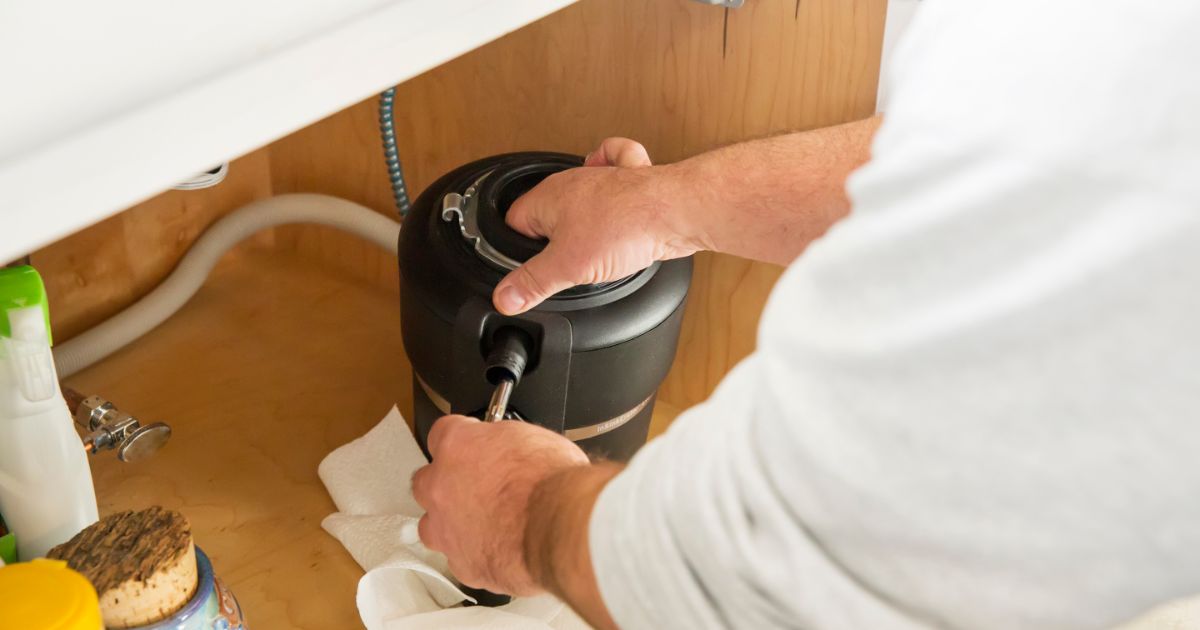
Begin by evaluating the complexity of the task. For minor leaks or simple clogs, DIY strategies can be effective. Equip yourself with basic tools and online tutorials to tackle these straightforward problems.
However, for intricate issues like pipe replacements or persistent leaks, professional insights are essential. Experts bring specialized equipment and knowledge, guaranteeing safety and long-term solutions.
Consider your own experience and the potential risks involved. DIY might save money initially, but improper fixes can lead to costly damages.
Reflect on the time you can commit and the urgency of the repair-and-replacement.html">repair. Sometimes, investing in a professional can prevent future headaches and provide peace of mind.
Are Your Plumbing Skills Up to the Task?
How well-equipped are you to handle plumbing tasks on your own? Evaluating your plumbing confidence is essential.
Start by gauging your understanding of tools like pipe wrenches and plungers. Can you identify different pipe materials—PVC, copper, PEX—and their specific uses?
Your skill evaluation should include knowledge of water pressure, pipe fittings, and valve operations. Do you have the ability to diagnose common issues like leaks or clogs, and the expertise to resolve them without causing further damage?
If you're confident in dismantling and reassembling components, that's a strong indicator. However, if you're unsure about these tasks, it might be time to reconsider DIY efforts.
Precision and a clear understanding are paramount to avoid costly mistakes.
Understanding Basic Plumbing Tasks
When tackling basic plumbing tasks, you’ll need to accurately identify simple fixes like leaky faucets or clogged drains.
Equip yourself with essential tools such as a pipe wrench, plunger, and plumber’s tape to efficiently address these issues.
Recognize your skill limits to avoid causing further damage, and consult a professional when tasks exceed your expertise.
Identifying Simple Fixes
Basic plumbing tasks can often be tackled with a bit of knowledge and the right tools. Identifying simple fixes like a leaky faucet or adjusting water pressure can save you time and money. Regular plumbing maintenance, such as pipe insulation or drain cleaning, enhances efficiency.
Consider this table for quick reference:
| Issue | Solution | Tools Needed |
|---|---|---|
| Leaky Faucet | Faucet Replacement | Wrench, New Faucet |
| Clogged Toilet | Drain Cleaning | Plunger, Snake |
| Low Water Pressure | Check Valves | Pressure Gauge |
| Sewer Backup | Inspect and Clear | Auger, Gloves |
Essential Tools Needed
Understanding basic plumbing tasks requires more than just identifying problems; having the right tools is key to effective repairs.
Begin with pipe wrenches, essential for gripping and turning pipes. Their adjustable nature allows you to tackle various pipe sizes with ease.
Don’t overlook drain snakes; these flexible tools clear clogs efficiently without damaging pipes.
Your toolbox essentials should also include pliers, a plunger, and Teflon tape for sealing connections. Each tool plays a vital role in maintaining plumbing safety, ensuring you don’t cause unintended damage.
Recognizing Skill Limits
How do you know when a plumbing task is beyond your skill level? Start with a thorough skill evaluation and project analysis. Identify tasks like unclogging a simple drain or replacing a faucet, which are typically manageable with basic tools and instructions.
However, when faced with complex issues, such as pipe leaks inside walls or sewer line problems, it’s essential to recognize your limits.
Evaluate your experience level. Do you have the necessary knowledge to handle unexpected complications?
Consider the tools required—specialized equipment might indicate a task that's not DIY-friendly. By objectively evaluating these factors, you’ll avoid costly mistakes and potential damage.
If uncertainty persists, it's wise to call a professional to guarantee the job’s done safely and effectively.
When to Call a Plumber
When should you call a plumber instead of tackling the issue yourself? You need a professional when facing emergency plumbing situations. Burst pipes or sewer backups require immediate attention to prevent damage. Don’t fall for plumbing myths suggesting quick DIY fixes; they often worsen problems. A professional guarantees the job’s done right.
Here’s when calling a plumber is vital:
| Situation | Why Call a Plumber |
|---|---|
| Burst Pipes | Immediate repair to prevent water damage |
| Sewer Backup | Specialized tools needed for resolution |
| No Hot Water | Complex systems require expert handling |
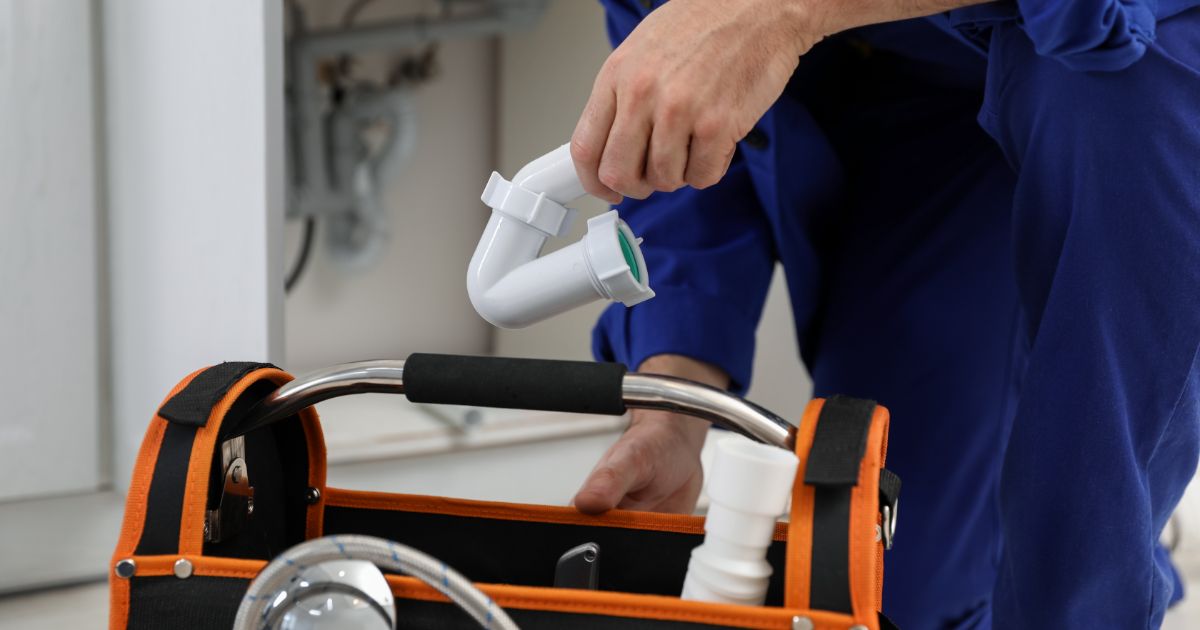
A plumber’s expertise and tools are essential in these scenarios. They’ll diagnose issues accurately, saving you time and stress. When in doubt, it’s best to call a pro.
Comparing Costs: DIY vs Hiring a Pro
When comparing costs between DIY plumbing and hiring a professional, you need to evaluate the detailed breakdown of material expenses, which can vary greatly.
Assess your time investment, as DIY projects often require more hours than anticipated, potentially translating into lost productivity.
Additionally, factor in the costs associated with potential mistakes, which can sometimes exceed the savings from avoiding a professional.
Material Expenses Breakdown
Tackling plumbing projects involves a critical assessment of material expenses, whether you choose the DIY route or hire a professional.
When you go DIY, you’re directly responsible for material costs, which means selecting supply options that fit your budget and project needs. You might find cheaper materials at local hardware stores or online, but consider the quality and longevity.
In contrast, hiring a professional often includes materials in the service fee. Pros have access to trade discounts and high-quality supplies that mightn't be available to the public. They guarantee compatibility and durability with your existing system.
Ultimately, weigh material costs against the potential for future repairs. Each choice impacts not only your wallet but also the project's success.
Time Investment Analysis
While considering plumbing projects, it’s crucial to assess the time investment involved in DIY versus hiring a professional. Effective time management strategies greatly impact your project's success.
When estimating the project timeline, consider the following:
- Skill Level: A professional's expertise often shortens the timeline. Your DIY efforts might require extensive research and practice, increasing time commitment.
- Tools and Resources: Pros have immediate access to specialized tools, while you might need time to acquire or learn to use them.
- Unexpected Issues: Professionals can swiftly handle unforeseen problems, minimizing delays. Your lack of experience might lead to prolonged troubleshooting.
Potential Mistake Costs
Analyzing time investment paves the way for understanding the financial implications of mistakes in plumbing projects.
When you tackle plumbing tasks yourself, the risk of costly errors increases. These might involve incorrect installations or overlooked leaks, leading to significant repair expenses. For instance, a small misstep replacing a valve could cause water damage, escalating costs beyond the initial savings.
Hiring a professional might seem expensive upfront, but it minimizes the risk of such errors. Plumbers possess the expertise to identify potential issues early, ensuring long-term savings.
Consider the value of your time and the potential repair expenses from DIY mistakes. Weighing these factors helps you make informed decisions, balancing immediate costs against future financial stability.
Common Risks of DIY Plumbing and How to Avoid Them
Although DIY plumbing projects can seem cost-effective, they often carry significant risks that can lead to costly repairs. Poor tool selection can cause pipe leaks and improper fixture installation. Misjudging water pressure may result in burst pipes, necessitating emergency repairs.
You must prioritize plumbing safety by wearing protective gear and following guidelines.
Consider these common risks:
- Pipe Insulation Errors: Failing to insulate pipes can lead to freezing and bursting in cold weather, causing extensive damage.
- Drainage Issues: Incorrectly installed drainage can cause backups and flooding, leading to severe water damage.
- Emergency Repairs: Lacking the expertise to handle emergencies can escalate minor problems into major disasters.
Always assess your skills honestly and know when to call a professional to prevent these costly mistakes.
Essential Plumbing Tools for DIYers
A successful DIY plumbing project starts with equipping yourself with the right tools. Pipe wrenches are essential for gripping and turning pipes, while adjustable wrenches offer versatility.
Equip yourself with the right tools for a successful DIY plumbing project.
For cutting through pipes, invest in reliable pipe cutters. Unclogging drains requires both plungers and plumbing snakes, also known as drain snakes, to tackle different blockages efficiently.
A basin wrench is indispensable for reaching and tightening nuts under sinks. Secure pipe connections with Teflon tape to guarantee leak-free seals.
Monitoring water flow becomes easy with water meters, providing vital data. Finally, caulking guns help seal joints and prevent leaks around fixtures.
Having these tools on hand prepares you for a range of plumbing tasks, guaranteeing precision and effectiveness in your DIY endeavors.
Need a Plumber Now?
Find licensed, reviewed plumbers in your area. Browse our nationwide directory of verified professionals.
Find Local Plumbers Call (866) 466-7190Easy Plumbing Projects for Beginners
Tackling easy plumbing projects can boost your confidence and save you money. Starting small guarantees you grasp the fundamentals while focusing on plumbing safety.
Here are some beginner tips to get you started:
- Fix a Leaky Faucet: A dripping faucet can waste gallons of water. Replace the washer or cartridge—make sure you turn off the water supply first.
- Unclog a Drain: Use a plunger or a drain snake to remove blockages. Avoid chemical cleaners as they might damage pipes.
- Replace a Showerhead: Unscrew the old showerhead, apply plumber’s tape to the threads, and screw on the new one. Check for leaks.
Always wear protective gear and double-check your work.
These projects will empower you and enhance your DIY skills.
Signs You Need a Plumber Immediately
When you encounter major water leaks, you must act swiftly to prevent structural damage and mold growth.
Persistent clogged drains that resist basic unclogging methods indicate deeper issues requiring professional intervention.
Ignoring these signs can lead to costly repairs, so don’t hesitate to call a plumber immediately.
Major Water Leaks
Ever wondered how quickly a minor leak can escalate into a major water disaster? When it comes to significant water leaks, acting fast is essential.
Water damage can compromise your home’s structure and lead to costly repairs. Leak detection isn’t just about spotting puddles; it’s about recognizing the subtle signs that demand immediate action.
Here are three signs you need a plumber immediately:
- Unexplained Water Bills: A sudden spike indicates hidden leaks.
- Damp Spots on Walls or Ceilings: These can signal serious internal piping issues.
- Sound of Running Water: If you hear it when everything's off, you've got a problem.
Ignoring these signs can escalate damage.
Call a professional to mitigate risks and protect your home.
Persistent Clogged Drains
If your sink or shower is frequently backing up, it’s a clear sign that you need professional help. Persistent clogs can indicate deep-seated issues in your plumbing system that simple DIY methods can't resolve.
Regular drain maintenance is essential, but when blockages recur despite your efforts, it's time to call a plumber.
Don’t fall for plumbing myths like using chemical drain cleaners, which can damage pipes over time. A professional plumber employs specialized tools, such as hydro-jetting and drain cameras, to diagnose and clear stubborn clogs effectively.
Ignoring these signs can lead to more severe plumbing problems, including pipe bursts and water damage. Trust a professional to guarantee your plumbing system operates smoothly and efficiently.
Finding a Reliable Plumber
Consider these steps to evoke confidence in your choice:
- Research Thoroughly: Don’t rush. Take time to compare options and read customer feedback.
- Check Credentials: Always confirm licenses and insurance. It’s your safeguard against shoddy work.
- Ask for References: Talking to past clients can provide insights into the plumber’s reliability and work ethic.
This approach guarantees you select a qualified professional.
Do You Need a Plumbing Permit?
When tackling plumbing projects, it's essential to understand local permit regulations to guarantee compliance.
You should identify which projects, like extensive pipe replacements or sewer line work, require permits due to their complexity.
Failing to secure the necessary permits can lead to significant legal issues, fines, and potentially unsafe installations.
Understanding Local Permit Regulations
Maneuvering local permit regulations for plumbing projects can seem intimidating, yet understanding these rules is essential to confirm compliance and avoid fines. Local codes dictate when a plumbing permit is necessary, varying by project scope.
You’ll need to identify permit types and navigate application procedures to facilitate proper approval processes. Neglecting these steps can lead to severe violation consequences.
Consider this:
- Inspection Requirements: Confirm adherence to regulations, preventing costly future repairs.
- Permit Exemptions: Recognize when minor tasks don’t require a permit, saving time and money.
- Contractor Responsibilities: Hiring a professional can simplify compliance, as they’re familiar with local codes and permit processes.
Understanding these elements helps you make informed decisions, confirming your project’s success and legal compliance.
Identifying Complex Plumbing Projects
While tackling plumbing projects, it’s vital to distinguish between simple and complex tasks to determine if a plumbing permit is necessary.
Complex installations, such as altering water lines or sewer systems, require a clear understanding of plumbing codes. Intricate repairs involving advanced diagnostics demand specialized tools and expertise.
When dealing with unique materials, like certain types of piping, professional insight guarantees correct handling.
Emergency situations often call for rapid system assessments, where a professional's skill is essential to prevent further damage.
Attempting these tasks without the proper knowledge or permits can lead to costly mistakes. Always assess the project's scope to decide if a professional should handle it, guaranteeing compliance and safety throughout the process.
Avoiding Potential Legal Issues
Understanding the scope of your plumbing project is key to guaranteeing compliance with local regulations. When you're considering a DIY approach, it's essential to know if a plumbing permit is required. Ignoring this can lead to serious legal responsibilities and liability concerns.
Here's what you should know:
- Safety Risks: Unpermitted work may compromise safety, leading to potential hazards and increased liability if accidents occur.
- Resale Challenges: Future home sales can be impacted by unpermitted plumbing changes, complicating transactions and possibly reducing property value.
- Fines and Penalties: Undertaking projects without the necessary permits can result in hefty fines, adding unexpected costs.
Always consult local codes and consider the complexity of the task. When in doubt, calling a professional guarantees you're on the right side of the law.
Avoiding Common DIY Plumbing Mistakes
When tackling plumbing projects yourself, it's vital to steer clear of common DIY mistakes that can lead to costly repairs.
Prioritize plumbing safety by confirming the water supply is shut off before starting any work. This prevents unexpected leaks or flooding.
Always ensure the water supply is off to prevent leaks or flooding before starting plumbing work.
Use common tools like pipe wrenches and plumber’s tape correctly. Misuse can damage pipes or cause leaks.
Avoid overtightening connections; it can crack fittings. Always check local codes to verify compliance. Using the wrong type of pipe or fittings may lead to weak joints.
Measure twice, cut once—precision is fundamental in cutting pipes to avoid mismatches.
Lastly, understand your limits. If a project seems too complex, reconsider tackling it alone to prevent further damage.
Benefits of Hiring a Professional Plumber
Although tackling plumbing issues yourself can be tempting, hiring a professional plumber offers numerous advantages that guarantee efficiency and precision. You gain access to expert advice, assuring that even complex problems are addressed correctly.
Professional plumbers are equipped with the latest tools and techniques, providing solutions that stand the test of time.
Consider these benefits:
- Expert Advice: A professional evaluates your entire plumbing system, identifying underlying issues you might miss.
- Long Term Savings: By fixing problems right the first time, you avoid costly future repairs and water damage.
- Peace of Mind: Knowing a skilled professional handles your plumbing needs lets you focus on other priorities.
Investing in a professional assures reliability and quality, safeguarding your home’s plumbing integrity.
When to Upgrade Your Plumbing for Efficiency
If you want to enhance your home's plumbing efficiency, knowing when to upgrade is crucial. Start with a plumbing system assessment to identify outdated components.
Consider installing water-saving fixtures and energy-efficient upgrades to reduce consumption. Modern plumbing solutions often incorporate eco-friendly materials, offering long-term investments in sustainability.
Smart home integration can further optimize water usage, providing real-time monitoring and control. By adopting sustainability practices, you not only lower utility bills but also contribute to environmental conservation.
Evaluate your system's age and performance regularly to determine the need for upgrades. Implementing these changes guarantees your plumbing operates at peak efficiency, aligning with both economic and ecological goals.
Frequently Asked Questions
How Do I Prepare for a Plumbing Emergency?
Make certain you’re ready for a plumbing emergency by gathering essential emergency supplies like a wrench, pipe tape, and a plunger.
Familiarize yourself with quick fixes, such as turning off the main water valve to prevent flooding. Keep a bucket and towels handy to manage leaks.
Regularly inspect pipes for signs of wear, and know the locations of all shut-off valves. This preparation minimizes damage and buys time until professional help arrives.
What Are the Signs of Hidden Plumbing Leaks?
To detect hidden plumbing leaks, watch for unexplained water bills, mold growth, or damp spots.
Listen for dripping sounds or notice reduced water pressure.
Common causes include corroded pipes, faulty seals, or high water pressure.
Regular leak detection involves checking under sinks, behind appliances, and in basements.
Use a moisture meter or infrared camera for accuracy.
If signs persist, call a professional to prevent further damage and guarantee proper repair.
How Often Should I Inspect My Plumbing?
Inspect your plumbing every six months. Create a detailed plumbing checklist focusing on pipes, faucets, water pressure, and signs of leaks.
Regular inspection frequency helps catch issues early, preventing costly repairs. Check for corrosion, unusual noises, and damp areas.
Don’t forget to examine water heater components and drainage systems. By maintaining this routine, you guarantee your plumbing system remains efficient and prolong its lifespan.
Can DIY Plumbing Affect My Home Insurance?
Yes, DIY plumbing can affect your home insurance. Insurers often require work to be completed by licensed professionals.
DIY risks, like incorrect installations or leaks, may lead to damages not covered by your policy. To maintain full insurance coverage, guarantee any plumbing work meets professional standards.
Verify your policy specifics, as unauthorized repairs might void claims. Always weigh the risks before attempting DIY to protect your home’s insurance status.
What Qualifications Should a Professional Plumber Have?
A professional plumber should have proper licensing requirements, which vary by state, ensuring they meet local standards.
They should also hold plumbing certifications, such as a journeyman or master plumber certification, demonstrating expertise and experience.
Always verify their credentials and insurance coverage.
These qualifications guarantee they’re skilled in handling complex issues safely and efficiently, protecting your home and ensuring compliance with regulations.
Browse our national plumbing directory to find licensed plumbers near you.