What to Do When Your Water Heater Is Leaking
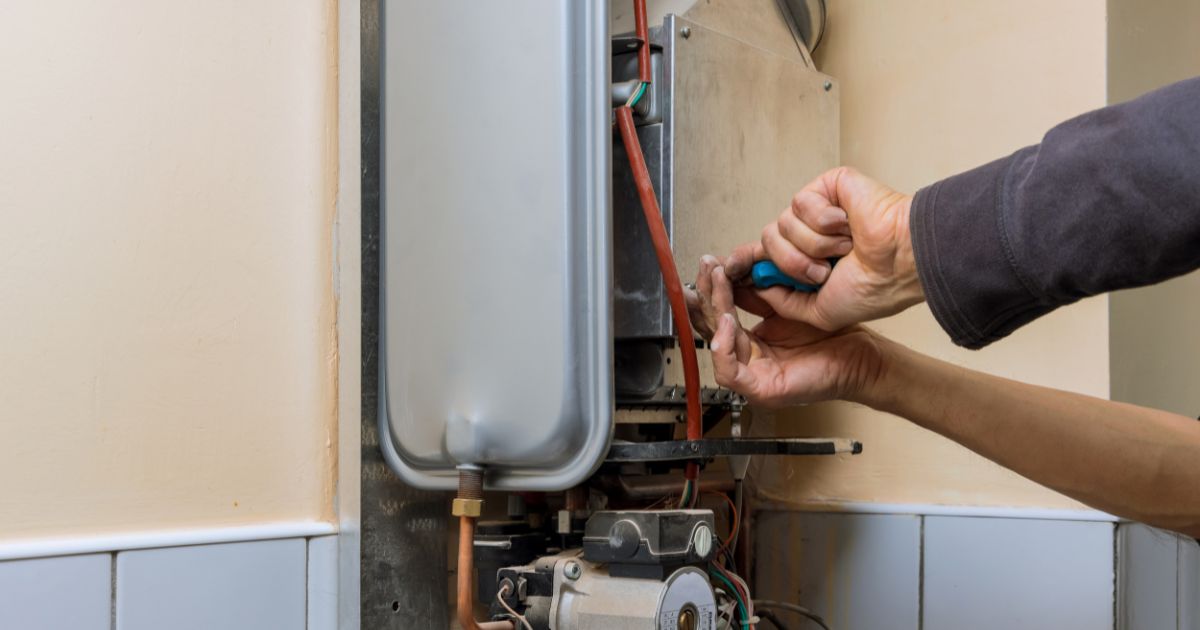
When your repair-and-installation-services.html">repair-and-replacement-guide.html">water heater leaks, act quickly to minimize damage. First, shut off the water supply to halt the flow. Use a flashlight to examine connections and the pressure relief valve for leaks. Tighten loose fittings and apply a pipe clamp for a temporary fix. If rust or odd noises appear, it's time for professional help. Don’t ignore these signs—understanding the severity and source is essential for preventing further issues.
Key Takeaways
- Shut off the water supply to prevent further damage from the leak.
- Inspect the area for pooled water and check valves and connections for leaks.
- Use a flashlight to identify moisture or corrosion at potential leak sources.
- Employ a pipe clamp or tighten loose fittings as a temporary fix.
- Call a plumber if rapid water accumulation or unusual noises occur.
Spot a Water Heater Leak
When you suspect a water heater leak, start by inspecting the area around the unit for pooled water or dampness.
Utilize a flashlight to enhance visibility, ensuring you don’t miss subtle signs of moisture. Pay attention to the connections and valves, as these are common leak sources. Check the pressure relief valve and drain valve for any drips or corrosion.
Use a flashlight to spot moisture, focusing on connections and valves, and check for drips or corrosion.
For effective leak detection, feel the pipes and fittings for any unusual warmth or wetness that could indicate a leak.
Examine the tank itself for rust or corrosion, which often suggests internal damage. Listen for hissing sounds, as they may point to escaping water.
Quick Fixes for Water Heater Leaks
If you discover your water heater leaking, don't panic; there are quick fixes you can implement to minimize damage.
First, shut off the water supply valve to prevent further water damage.
For DIY repairs, use a pipe clamp as a temporary solution to patch small leaks. If you notice leaks around fittings, tighten them carefully with a wrench.
Emergency measures include placing a bucket under the leak to catch drips and using towels to absorb excess water.
Make sure your water heater is powered down to avoid electrical hazards.
While these are temporary solutions, they're effective in managing the situation until a professional can assess the problem.
Always prioritize safety when tackling water heater issues.
Identify Common Leak Sources
When addressing leaks in your water heater, start by checking valve connections, as these are common trouble spots where water can escape.
Next, inspect the pressure relief valve, ensuring it’s not releasing water due to excessive pressure or temperature.
Check Valve Connections
Although it might seem intimidating, inspecting the valve connections on your water heater is essential for identifying common leak sources. Start by turning off the water supply to prevent further leakage.
Focus on valve maintenance by examining each connection for signs of corrosion or loose fittings. Use a wrench to gently tighten any loose areas, but be careful not to over-tighten, as this can cause damage.
During your connection inspection, look for moisture around the inlet and outlet valves. A damp patch may indicate a compromised seal or fitting.
Replace any worn gaskets or washers to guarantee a proper seal. Regularly checking these components will help you maintain your water heater's efficiency and prevent potential water damage in your home.
Inspect Pressure Relief Valve
While addressing leaks, don’t overlook the pressure relief valve, a critical component for safety and functionality. It prevents excessive pressure buildup by releasing water when necessary.
Begin by examining the valve for any visible signs of moisture or corrosion, which could indicate a leak. If you notice water discharge that’s more than occasional, the valve might be failing and require replacement.
For effective valve maintenance, test it periodically by lifting the lever to confirm it opens and closes smoothly. If it’s stuck or doesn’t function correctly, replace it promptly.
Need a Plumber Now?
Find licensed, reviewed plumbers in your area. Browse our nationwide directory of verified professionals.
Find Local Plumbers Call (866) 466-7190Gauge Leak Severity
How can you effectively assess the severity of your water heater leak? Start with a thorough leak detection process. Check for pooling water around the unit, which often indicates a more serious issue.
Use maintenance tips like inspecting for rust or corrosion on the tank. These signs can point to internal damage. Examine all connections and fittings for drips—tighten any loose fittings to determine if the leak stops.
Next, assess the leak's frequency and volume. A slow, occasional drip could suggest a minor seal issue, while a constant flow might indicate a major problem.
Listen for any unusual sounds, such as hissing, which could signal pressure-related issues. By understanding these elements, you’ll gauge the leak’s severity and decide on the next steps.
When to Get a Plumber’s Help
Identifying whether your water heater leak requires professional intervention is essential. Some situations demand immediate attention from an emergency plumbing expert to prevent serious damage.
If you notice any of the following, it's time to call in a pro:
- Rapid water accumulation: Quick action is vital to avoid extensive water damage.
- Rusty water: Indicates corrosion inside the tank, needing expert leak detection.
- Unusual noises: Banging or popping sounds could signal severe internal issues.
- Water heater age: Units over 10 years old often require professional replacement.
- No hot water: This could mean a significant malfunction that needs a skilled plumber.
Don’t hesitate to contact a professional to guarantee safety and restore your water heater’s functionality effectively.
Prevent Future Leaks
To prevent future leaks, guarantee regular maintenance of your water heater, which greatly extends its lifespan.
Implement preventive maintenance by scheduling regular inspections. Check for corrosion, sediment buildup, and any signs of wear. Drain your tank annually to remove sediment that could compromise efficiency and integrity.
Inspect the pressure relief valve and replace it if it’s malfunctioning. Tighten loose connections and examine the anode rod, as it protects the tank from rust. Replace it every few years or when it’s markedly corroded.
Monitor for unusual noises or fluctuating water temperatures, as these may indicate underlying issues.
Frequently Asked Questions
How Can I Safely Turn off My Water Heater?
To safely turn off your water heater, locate the emergency shutoff valve.
For a gas heater, turn the gas valve to the "OFF" position.
For an electric heater, switch off the breaker in the electrical panel.
Confirm you've followed safety precautions by checking for any leaks or signs of damage first.
Always wear protective gear, like gloves, to handle any potential hazards.
This guarantees a secure shutdown process.
What Tools Do I Need to Fix a Water Heater Leak?
You'll need a wrench, pipe cutter, and Teflon tape for fixing a water heater leak.
Start by identifying the leak's source. Use the wrench to tighten loose connections.
If the pipe's damaged, cut it with a pipe cutter and replace it. Apply Teflon tape on threads for a secure seal.
These repair techniques guarantee a reliable fix. Always follow safety protocols and consult a professional if necessary.
Are There Eco-Friendly Options for Replacing a Water Heater?
Yes, there are eco-friendly options for replacing a water heater.
Consider solar water heaters, which harness the sun's energy, reducing your carbon footprint.
Alternatively, tankless options offer on-demand heating without storing hot water, thereby enhancing energy efficiency.
Evaluate line-installation-and-repair.html">installation costs, potential energy savings, and regional climate suitability.
Consult a licensed technician to assess your home’s compatibility and guarantee peak performance with these sustainable choices.
How Often Should I Inspect My Water Heater for Leaks?
Inspect your water heater for leaks every six months to guarantee peak performance. Regular water heater maintenance helps you catch issues early.
Focus on leak detection by examining valves, connections, and the tank itself. Look for corrosion or moisture around these areas. Use a flashlight to check for any signs of rust or water pooling.
This proactive approach can extend your heater's lifespan and prevent costly repairs.
What Are the Potential Costs of Water Heater Repair Versus Replacement?
When analyzing repair vs. replacement costs, consider factors like age and damage extent.
Repairing minor leaks might cost $150-$500, covering parts and labor.
However, replacement, especially for units over ten years, could range from $800-$3,500, including installation.
Assess energy efficiency and long-term savings.
If frequent repairs are needed, replacement might be more cost-effective.
Evaluate your water heater’s condition to make an informed decision.
Browse our national plumbing directory to find licensed plumbers near you.