How to Extend the Life of Your Home Appliances
You can greatly boost the longevity of your home repair-vs-replacement-when-is-it-time-to-buy-new.html">appliance-repair-services.html">appliances by adopting a few key practices. Start with regular cleaning—descale your coffee maker and clean refrigerator coils every few months. Monitor for unusual noises or inconsistent temperatures, and handle issues swiftly. Use energy-efficient settings and avoid overloading. Each step aligns with maximizing efficiency and reliability. Curious about the finer details of these strategies?
Recognize Early Signs of Wear
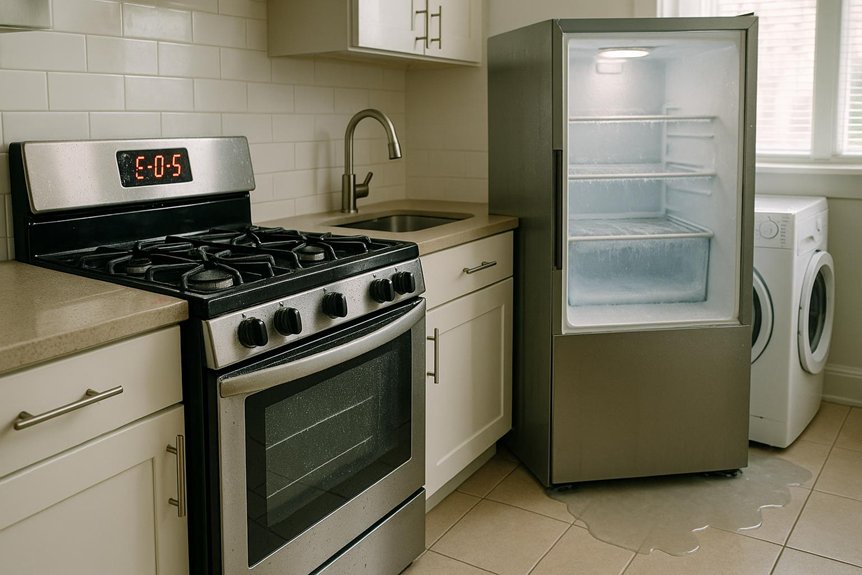
When you aim to extend the life of your home appliances, recognizing early signs of wear is vital. Pay attention to wear indicators like unusual noises, vibrations, or increased energy consumption. These changes often signal underlying issues that, if addressed promptly, can prevent major failures.
Developing strong maintenance habits is important; regularly inspect cords for fraying and examine seals for cracks. Take note of any performance shifts, such as longer heating times for ovens or inconsistent cooling in refrigerators. Document these observations to track patterns.
Regular Cleaning and Maintenance
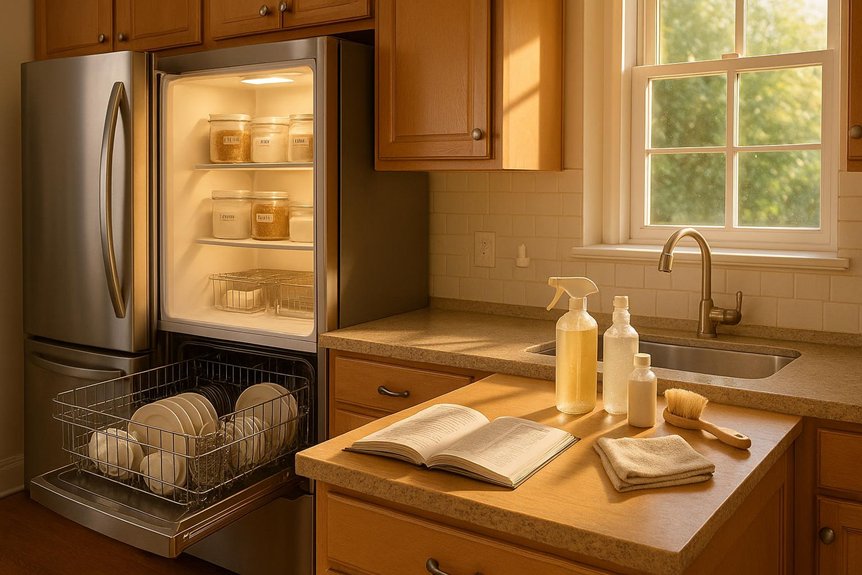
Although often overlooked, regular cleaning and maintenance are essential for extending the life of your home appliances. Start with deep cleaning to remove buildup that can hinder performance. Focus on seasonal maintenance to catch issues early. Clean refrigerator coils to enhance efficiency, and descale your coffee maker to maintain flavor. Check dryer vents for lint buildup, preventing overheating.
Here's a quick guide:
| Task | Frequency |
|---|---|
| Deep Clean Fridge | Every 3 months |
| Descale Coffee Maker | Monthly |
| Check Dryer Vents | Every 6 months |
Regular attention to these tasks saves money and energy, prolonging appliance life. By integrating these steps into your routine, you’ll guarantee your appliances run smoothly, avoiding costly repairs. Prioritize maintenance, and you’ll enjoy more reliable, longer-lasting appliances.
Optimal Usage Practices With Examples
To maximize the lifespan of your home appliances, focus on ideal usage practices tailored to each device.
For your washing machine, use energy efficient settings to reduce strain. Select the appropriate water temperature and cycle for different fabrics. Avoid overloading by following the manufacturer's load management guidelines; this prevents unnecessary wear on the motor.
In the case of your dishwasher, scrape off food residues before loading and run it only when full. Use the recommended detergent amount to maintain efficiency and protect internal components.
For your refrigerator, keep it between 37-40°F. Regularly defrost the freezer to guarantee peak performance. Position it away from heat sources and allow space for air circulation.
Implementing these strategies helps maintain functionality and prolongs appliance life.
Cut Energy Use to Extend Appliance Life
Reducing energy use not only lowers utility bills, but also extends the life of your appliances. Start by conducting appliance energy audits to identify inefficiencies. Use energy-efficient settings and apply eco-friendly habits like washing clothes in cold water. Schedule usage during non-peak times to avoid strain. Consider energy-saving upgrades and smart home technology to enhance performance. Regular seasonal maintenance tips guarantee appliances run smoothly. Always check appliance energy labels for efficiency ratings.
Here's a practical table for quick reference:
| Tip | Benefit |
|---|---|
| Use energy-efficient settings | Reduces wear on components |
| Conduct appliance audits | Identifies energy leaks |
| Smart home technology | Automates energy savings |
| Time usage wisely | Avoids peak usage times |
| Check energy labels | Guarantees peak performance |
Implement these strategies to prolong appliance life.
Need Appliance Repair Now?
Find trusted appliance repair technicians in your area. Browse our nationwide directory of verified professionals.
Find Local Repair Pros Call (866) 466-5715When and How to Replace Filters
Regular maintenance not only boosts energy efficiency but also guarantees appliances function at their best.
Regular upkeep enhances energy efficiency and ensures optimal appliance performance.
Begin by identifying filter types specific to your appliance. Check the manufacturer's guidelines for filter compatibility to avoid mismatches.
Filter installation should be straightforward—ensure it’s secure to prevent leaks or inefficiencies.
Regular filter maintenance involves inspecting and cleaning according to the recommended filter frequency, typically every 3-6 months. This practice maximizes filter benefits, improving air quality and appliance longevity.
Set reminders to replace filters as needed—clogged filters strain your system, reducing its lifespan. Always have spare filters on hand to avoid disruptions.
Why Proper Appliance Installation Matters
Proper appliance installation is essential to guarantee they operate at peak efficiency and avoid unnecessary wear.
When you install appliances correctly, you minimize the risk of future repairs and extend their lifespan.
Pay attention to manufacturer guidelines and use professional services when needed to maintain ideal performance.
Ensuring Optimal Performance
When appliances are installed correctly, they function more efficiently and last longer. Proper installation directly impacts energy efficiency and guarantees you get the most out of performance monitoring. Aligning appliances precisely reduces strain and enhances functionality. This means fewer surprises and better performance metrics.
Use this table to guide installation considerations:
| Aspect | Importance | Action Required |
|---|---|---|
| Leveling | Prevents vibration | Use a spirit level |
| Ventilation | Enhances efficiency | Ensure clear airflow |
| Electrical Setup | Avoids overload | Check voltage ratings |
Incorporate these steps into your installation process to maximize appliance lifespan. Pay attention to these areas to keep everything running smoothly, maintain top energy efficiency, and reduce wear and tear. Proper setup lays the foundation for peak appliance performance.
Preventing Future Repairs
Achieving ideal performance isn't just about installation; it also plays a vital role in preventing future repairs. Proper installation guarantees appliance warranties remain valid and reduces repair costs.
Start by following manufacturer guidelines closely, as they’re essential for energy efficiency and appliance longevity. Missteps during installation can void warranties and lead to expensive replacement parts.
Refer to usage manuals for specific instructions, guaranteeing each appliance operates under best conditions. Regularly update maintenance schedules to catch issues early.
For instance, incorrect leveling of a washing machine can cause excessive wear, leading to premature failure. By adhering to these steps, you safeguard your investment and minimize disruptions.
Proper installation is your first line of defense against costly repairs and inefficient performance.
Troubleshoot Common Appliance Issues
Understanding how to troubleshoot common appliance issues can save you time and money. Start by consulting appliance manuals and troubleshooting guides to identify common malfunctions.
Often, DIY repairs can address usage errors and simple problems. Use diagnostic tools to pinpoint issues, and remember to check warranty coverage before proceeding, as some repairs might be covered.
For instance, if your washing machine isn’t draining, the guide may suggest checking the filter or hose for blockages. If a refrigerator isn’t cooling, verify the vents are unobstructed and the thermostat is set correctly.
When problems persist, consider contacting repair services. Being proactive and informed helps prevent costly repairs and extends your appliance’s lifespan. Keep these strategies in mind to efficiently handle appliance issues.
Schedule Regular Professional Inspections
Scheduling regular professional inspections helps you identify potential problems early and guarantee peak appliance performance.
Technicians can catch issues that aren't obvious, preventing costly repairs down the line.
Identify Potential Problems Early
Even if your appliances seem to be running smoothly, it’s crucial to identify potential issues early by scheduling regular professional inspections.
A skilled technician can catch problems like faulty wiring or unusual noises before they escalate. They’ll check for leaking fluids, which can signal worn components or overloading issues.
Inconsistent temperatures in appliances like fridges or ovens might indicate outdated technology or damaged cords. Improper ventilation can lead to overheating, while electrical surges might affect performance.
Regular inspections help pinpoint these problems, ensuring your appliances operate safely and efficiently. Addressing these issues early not only extends the life of your appliances but also prevents costly repairs and replacements, keeping everything in prime working order.
Ensure Optimal Appliance Performance
Regular professional inspections are a key component of maintaining peak appliance performance. By scheduling routine check-ups, you guarantee that potential issues are identified before they escalate.
Technicians will perform detailed performance monitoring, examining components like motors, hoses, and wiring. This proactive approach helps optimize efficiency and longevity.
Understanding your usage habits is vital. Share these details with the technician to tailor maintenance strategies. For instance, if you frequently use a particular appliance, it might require more frequent inspections.
Additionally, inspections can reveal if energy consumption is abnormal, highlighting inefficiencies. This not only saves on utility bills but also extends the appliance’s lifespan.
Don’t overlook this essential step—regular check-ups are a smart investment in your home's functionality and your peace of mind.
Frequently Asked Questions
How Can I Safely Move Heavy Appliances Without Causing Damage?
Use appliance lifting techniques and moving equipment to safely transport heavy appliances.
First, clear the path and measure doorways.
Use a dolly or hand truck, securing the appliance with straps.
Lift with your knees, not your back, and enlist help if needed.
Protect floors with sliders or blankets.
Disconnect and secure loose parts.
What Are the Best Storage Practices for Seasonal Appliances?
Store seasonal appliances properly by first performing seasonal maintenance. Clean each appliance thoroughly, removing any dust or debris.
Use protective covers to prevent damage. Make certain they're stored in a dry, temperature-controlled area to avoid rust or mold.
Disconnect any removable parts and store them together to prevent loss. Label cords and accessories for easy identification.
Regularly inspect storage areas to maintain ideal conditions for your appliances.
How Does Humidity Affect Appliance Longevity?
Humidity levels can greatly impact appliance longevity. You should monitor and control moisture to prevent corrosion risks, especially on metal appliance materials.
High humidity leads to rust and electrical malfunctions, so use dehumidifiers or ventilation to maintain ideal levels. Regularly check seals and gaskets for moisture buildup to protect components.
What Steps Can I Take to Prevent Pest Infestations in Appliances?
To prevent pest infestations in appliances, start by sealing any entry points around your kitchen.
Regularly clean appliances, including behind and underneath, to eliminate food debris that attracts pests.
Use pest prevention methods like traps or natural repellents near appliance areas.
Guarantee proper appliance cleaning by wiping surfaces and maintaining cleanliness in and around them.
Consider professional pest control for persistent issues to protect your appliances effectively.
How Do I Handle Appliance Recalls or Safety Notices?
Check recall notifications regularly by registering your appliances on the manufacturer’s website. This guarantees you receive updates promptly.
When a recall or safety notice appears, follow the instructions carefully, often involving a safety inspection or repair. Keep records of any communications and actions taken.
If repairs or replacements are needed, contact authorized service centers to handle the process efficiently, making sure your appliances remain safe and functional.
Browse our national appliance repair directory to find technicians near you.