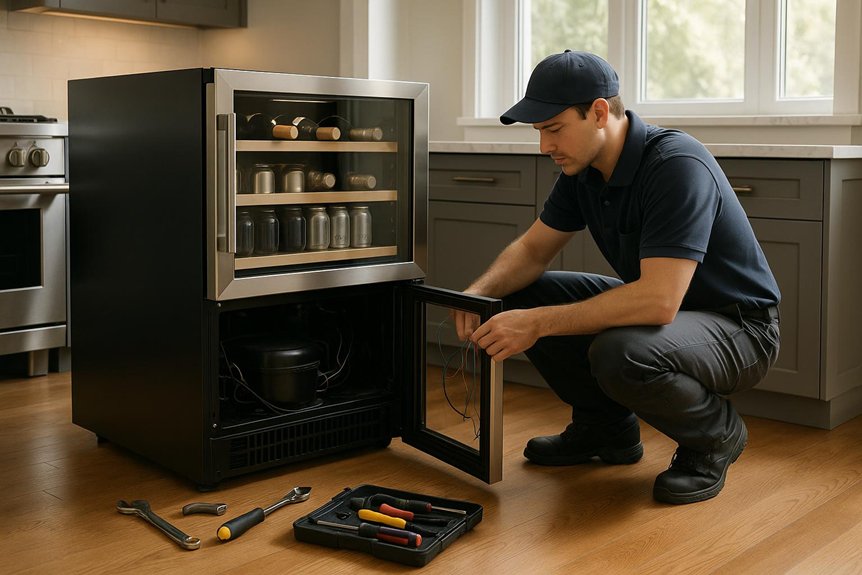
Dryer Repair: Signs Your Dryer Needs Professional Help
You're noticing some odd behaviors from your dryer, and you're wondering if it’s time to call in the professionals. Unusual noises, slow drying times, or a burning smell can signal underlying issues. Ignoring these signs might lead to bigger problems, so understanding what each symptom means is vital. Before making a decision, it’s important to grasp how these issues can affect efficiency and safety. Curious about what these signs indicate and how to address them?
Why Your Dryer Makes Unusual Noises and How to Fix It
When your dryer starts making unusual noises, it can be both annoying and concerning, but understanding the cause can help you fix it quickly.
Drum noise often points to motor issues or bearing wear. A worn belt could also contribute, especially if you hear a thumping sound.
Roller friction might cause a squealing noise, indicating the rollers need lubrication or replacement.
Vent blockages can lead to strange sounds as airflow is restricted, impacting performance.
Electrical faults might create buzzing noises, suggesting a need for immediate attention.
Load imbalance could cause thumping or banging, as the uneven distribution affects drum rotation.
Diagnosing these issues accurately guarantees you address the root cause, keeping your dryer running smoothly and efficiently.
Solving Slow Drying Times: Causes and Solutions
If your dryer takes longer than usual to dry clothes, it’s crucial to identify the underlying issues promptly.
Slow drying can result from several factors affecting dryer efficiency. Here's what to check:
1. Lint Accumulation: Excessive lint can block airflow.
Regularly clean the lint filter and perform vent cleaning to guarantee proper airflow.
2. Airflow Blockage: Inspect vent hoses and ducts for blockages.
Poor dryer placement can also restrict airflow.
3. Moisture Sensor: A faulty Moisture Sensor mightn't detect when clothes are dry, causing appliances.html">extended cycles.
Test and replace if necessary.
4. Dryer Settings and Appliance Age****: Incorrect settings or an older appliance may impact performance.
Review and adjust settings, and consider the age of your dryer for potential upgrades.
Burning Smell Issues: Overheating in Your Dryer
A burning smell emanating from your dryer can be alarming and indicates potential overheating. This can stem from lint buildup, faulty thermostats, or electrical issues. Recognize overheating signs early to prevent damage. Always prioritize safety precautions by unplugging the dryer and inspecting the vent system. Regular maintenance tips include cleaning lint traps and confirming proper airflow. If you detect any electrical issues, consult a professional immediately.
| Overheating Signs | Electrical Issues | Maintenance Tips |
|---|---|---|
| Burning odor | Faulty wiring | Clean lint trap |
| Hot exterior | Tripped circuit | Check vent system |
| Long dry times | Sparking sounds | Inspect drum seals |
| Scorched clothes | Flickering lights | Confirm airflow |
| Shut-off alerts | Blown fuses | Regular servicing |
What to Do When Your Dryer Shuts Off Mid-Cycle
Experiencing a dryer that shuts off mid-cycle can be both frustrating and puzzling. To guarantee dryer safety and maintain energy efficiency, follow these steps:
- Check the Power Supply: Verify the dryer is securely plugged in and that the circuit breaker hasn't tripped.
- Inspect the Ventilation: Blocked vents can cause overheating. Clean the lint filter and ductwork to improve airflow.
- Examine the Thermal Fuse: A blown fuse can shut off the dryer. Use a multimeter to test it and replace if necessary.
- Assess the Door Switch: If the switch is faulty, the dryer may stop unexpectedly. Test for continuity and replace if needed.
These steps can help you troubleshoot effectively, but don't hesitate to seek professional help if the problem persists.
Why Isn't My Dryer Drum Spinning?
Why won't your dryer drum spin? First, check for a drum obstruction. Items like coins or small clothing articles might get caught, preventing movement.
Open the dryer and manually rotate the drum. If it moves freely, an obstruction isn’t the issue.
Next, consider motor failure. If you hear a humming noise when the dryer is on, but the drum doesn’t turn, the motor might be struggling or burnt out.
Test the motor by attempting a start with the dryer empty. If it still won’t spin, the motor likely needs replacement.
Lastly, inspect the drive belt. A broken or loose belt can’t turn the drum effectively.
If you notice any wear, it’s time for a professional repair-services.html">repair.
Understanding and Resolving Dryer Error Codes
When your dryer displays error codes, understanding their meanings is essential for effective troubleshooting. These codes help you identify specific issues, allowing for targeted solutions.
Here's how you can decode and address them:
- Consult the Manual: Look up the error code meanings in your dryer’s manual. It’s the first step in identifying the problem.
- Check Connections: Verify all electrical and vent connections are secure. Loose connections can trigger error codes.
- Reset the Dryer: Unplug the dryer for a few minutes and then plug it back in. This simple step can often resolve minor glitches.
- Call a Professional: If the error persists, contact a technician. They've the tools and expertise for complex troubleshooting steps.
Understanding these codes saves time and prevents further damage.
Need Appliance Repair Now?
Find trusted appliance repair technicians in your area. Browse our nationwide directory of verified professionals.
Find Local Repair Pros Call (866) 466-5715Stopping Excessive Vibration in Your Dryer
To address excessive vibration in your dryer, start by ensuring it's properly leveled using a spirit level.
Next, check the drum rollers for wear or damage, as these components can cause imbalance if they're not functioning correctly.
Finally, inspect the drive belt for signs of wear or misalignment, which can contribute to uneven operation.
Leveling the Dryer
Excessive vibration in your dryer often stems from improper leveling, which can lead to noise and potential damage over time.
Proper dryer alignment is essential for smooth operation. Here’s how to verify your dryer is level using effective leveling techniques:
- Check the Surface: Confirm the floor is stable and flat. Uneven surfaces can cause imbalance.
- Adjust the Feet: Most dryers have adjustable feet. Turn them clockwise or counterclockwise to raise or lower the dryer until it's level.
- Use a Level Tool: Place a bubble level on top of the dryer. Adjust the feet until the bubble is centered.
- Secure the Position: Once level, lock the feet in place if your dryer model allows it.
Checking Drum Rollers
Drum rollers play an essential role in ensuring your dryer operates smoothly, minimizing vibration and noise. To keep your dryer in top shape, focus on drum roller maintenance. First, unplug the dryer and remove the front panel to access the drum. Check for signs of wear such as cracks or flattened areas on the rollers. If you notice these issues, it’s time to replace them. Proper maintenance prevents excessive vibration and extends your dryer's life.
| Emotion | Trigger |
|---|---|
| Frustration | Loud, shaking dryer |
| Relief | Smooth, quiet operation |
| Satisfaction | Extended dryer lifespan |
| Confidence | Proactive maintenance |
Ensure the rollers spin freely. Regular checks help avoid costly repairs.
Inspecting Drive Belt
A well-functioning drive belt is essential for keeping your dryer stable and minimizing vibration. During a drive belt inspection, look for signs of wear that could indicate it’s time for a replacement. Here’s how:
- Visual Check: Examine the belt for cracks or fraying. These signs of wear mean it’s lost elasticity.
- Tension Test: Press down on the belt. It should have some give but remain firm. Excessive slack indicates wear.
- Alignment Inspection: Verify the belt tracks correctly along the drum and pulleys. Misalignment can cause extra vibration.
- Sound Observation: Listen for unusual noises during operation. A worn belt might squeak or thump.
Addressing these issues promptly can prevent further damage and guarantee smooth dryer operation.
How to Clean a Clogged Lint Trap
When your dryer's lint trap becomes clogged, it can hinder efficiency and pose a fire hazard. You'll want to address lint buildup promptly.
First, remove the lint screen from your dryer. Use your fingers to peel off the accumulated lint, ensuring it's completely free of debris. For stubborn lint, rinse the screen under warm water and gently scrub with a soft brush. This cleaning technique helps remove any residue that might restrict airflow.
Remove and clean the lint screen, scrubbing away stubborn residue to ensure optimal airflow and dryer efficiency.
Next, check the lint trap housing for any remaining lint. A vacuum with a narrow attachment works well to suck out hidden fibers.
Regularly performing this maintenance minimizes risks and keeps your dryer running smoothly. Remember, a clean lint trap is essential for peak performance and safety.
Latch Issues With Dryer Door: Easy Fixes
If you're experiencing latch issues with your dryer door, it's often due to common problems like misalignment or wear.
You can fix these by adjusting the strike plate or replacing worn components.
With a few simple tools, you'll guarantee your dryer door functions smoothly again.
Common Latch Problems
Dealing with dryer door latch issues can disrupt your laundry routine, but fortunately, many of these problems have straightforward solutions.
Here are common latch problems you might encounter:
- Misaligned Latch: Over time, your dryer's latch alignment can shift, preventing the door from closing properly. Check if the latch is in the correct position.
- Worn-Out Latch: Regular use can wear down the latch components. If it’s not gripping well, consider a latch replacement to guarantee a secure close.
- Damaged Catch: The door catch might be cracked or broken. Inspect it for any visible damage that could impair function.
- Loose Screws: Sometimes, screws securing the latch become loose. Tighten them to maintain peak latch performance.
Addressing these issues promptly keeps your dryer functioning smoothly.
Simple Fix Techniques
Addressing dryer door latch issues efficiently guarantees your laundry routine remains uninterrupted. Start with these DIY repairs: inspect the latch for any visible debris or damage. Use a soft cloth to clean the latch area, removing lint or dirt that might obstruct proper closure.
If the latch appears misaligned, gently adjust it with a screwdriver, confirming it clicks securely when closed.
For more troubleshooting tips, check the strike plate on the dryer frame. Verify it’s not loose or bent, as this can prevent the door from latching. Tighten any screws and realign as needed.
If the latch mechanism is visibly worn or broken, replacing it with a compatible part from your dryer’s manufacturer can resolve persistent issues. Always disconnect power before starting any repairs.
Rising Energy Costs: Is Your Dryer to Blame?
Could your dryer be the culprit behind rising energy costs? If it's not running efficiently, it could be a significant drain on your energy bill.
Enhancing your dryer's energy efficiency can lead to substantial cost savings. Here are some signs your dryer might be wasting energy:
- Longer Drying Times: If your clothes take longer to dry, your dryer might be working harder than it should.
- Overheating: Excessive heat can indicate inefficiency, often due to clogged vents or a faulty thermostat.
- Increased Energy Bills: A sudden spike in energy costs could suggest your dryer isn’t performing effectively.
- Frequent Repairs: Constant issues might mean it’s time for a professional assessment.
Addressing these signs can help improve your dryer’s efficiency and reduce costs.
Preventing Wrinkles: Dryer Settings That Work
To prevent wrinkles, start by selecting the ideal temperature for your fabrics, ensuring they don’t overheat.
Utilize timed dry cycles to give you control over the drying duration, reducing unnecessary tumbling.
Explore fabric-specific settings on your dryer to cater precisely to different material needs, enhancing wrinkle prevention.
Optimal Temperature Selection
When aiming to prevent wrinkles in your laundry, selecting the perfect dryer temperature is crucial. Proper temperature calibration guarantees drying efficiency while keeping your clothes wrinkle-free. Here’s how you can achieve ideal results:
- Low Heat: Perfect for delicate fabrics. It minimizes wrinkles by gently drying without overheating.
- Medium Heat: Suitable for everyday clothing. Balances drying time with wrinkle prevention.
- High Heat: Best for heavy fabrics like towels. Use sparingly; excessive heat can set wrinkles.
- Permanent Press: This cycle includes a cool-down period, reducing the chance of wrinkles forming.
Adjusting the temperature based on fabric type not only enhances drying efficiency but also prolongs the lifespan of your garments.
Always refer to care labels to match the setting with the fabric’s needs.
Timed Dry Cycles
Adjust the cycle duration to guarantee clothes are warm but not too hot when removed.
For ideal results, take garments out immediately after the cycle ends. This prevents creases from setting in as they cool.
Timed drying not only enhances fabric care but also improves energy efficiency, as you're using just the right amount of heat and time needed.
Fabric-Specific Settings
While understanding your dryer's fabric-specific settings, you’ll greatly reduce wrinkles and enhance garment care.
Knowing how to make cycle adjustments is essential for optimal fabric care. Here’s how you can use these settings effectively:
- Cotton/Normal: Use this for everyday fabrics. It provides a higher heat, ensuring durable materials dry thoroughly.
- Permanent Press: Ideal for synthetic fibers. It uses medium heat and a cool-down period to minimize wrinkles.
- Delicate: Protects fragile fabrics with low heat, preventing damage and excessive wrinkles.
- Air Fluff: Perfect for revitalizing clothes without heat. It’s great for items that need a quick touch-up without risking shrinkage.
Preventative Maintenance to Extend Dryer Life
To guarantee your dryer operates efficiently and lasts longer, it’s crucial to implement regular preventative maintenance.
Start with dryer cleaning to remove lint buildup, which improves energy efficiency and prevents fire hazards.
Conduct routine inspections of the vent system for blockages; proper vent maintenance guarantees moisture control and enhances appliance longevity.
Replace filters consistently to maintain peak airflow.
Utilize dryer accessories designed for safety precautions and improved performance.
Schedule regular checks of the dryer's components to identify wear and tear early.
This proactive approach not only extends the life of your appliance but also assures consistent operation and efficiency.
Frequently Asked Questions
How Often Should I Service My Dryer Professionally?
You should schedule dryer maintenance at least once a year.
Regular service frequency guarantees your dryer's efficiency and longevity. Technicians will clean lint buildup, check belts, and inspect the heating element.
This proactive approach prevents costly repairs and fire hazards. If your dryer is used heavily or shows performance issues, consider increasing the service frequency.
Keeping a consistent maintenance schedule optimizes performance and keeps energy costs down.
What Are Common Costs for Dryer Repairs?
You’ll find that common costs for dryer repairs vary. A typical repair cost breakdown includes $50-$100 for diagnostic fees, plus labor and parts.
Common dryer issues like faulty thermostats or broken belts generally cost $100-$200, while more complex problems, such as motor replacement, can range from $200-$400.
Always consider the age and condition of your dryer, as sometimes replacement might be more economical than repeated repairs.
Can I Repair My Dryer Myself Safely?
You can repair your dryer yourself safely if you follow safety precautions and understand basic DIY repairs.
First, unplug the dryer to prevent electric shocks. Wear protective gloves and goggles during the process.
Consult the dryer’s manual for guidance on specific issues. Make certain you’ve got the right tools and parts before starting.
However, if you're unsure or the problem's complex, it's best to consult a professional.
What Tools Are Essential for Basic Dryer Troubleshooting?
You'll need a few essential tools for basic dryer troubleshooting. A multimeter helps you check the heating element's functionality.
Use a screwdriver set to access internal components and inspect for drum issues. A flashlight aids in spotting any hidden problems.
Needle-nose pliers are handy for reaching tight spaces. Always guarantee safety by unplugging the dryer first.
These tools will help you diagnose and possibly fix common dryer problems.
Are Older Dryers More Prone to Breakdowns?
Yes, older dryers are more prone to breakdowns due to wear and tear.
To extend your dryer’s lifespan, focus on regular maintenance. Clean the lint trap after each use and check the vent for obstructions.
Inspect belts and seals periodically for wear. Lubricate moving parts as needed.
These maintenance tips can help prevent issues, keeping your dryer running efficiently and reducing the likelihood of costly repairs.
Browse our national appliance repair directory to find technicians near you.

.jpg)