Mold in Air Ducts Signs and Professional Cleaning
You might notice mold-in-the-basement-prevention-and-remediation.html">mold-causes-detection-and-removal.html">mold-removal-vs-professional-remediation.html">mold-inspection-and-testing-what-to-expect.html">mold-in-the-bathroom-causes-and-removal.html">mold in your air ducts through visual patches or a persistent musty odor. These signs, along with increased allergy symptoms, indicate potential mold growth. Regular inspections and moisture meters can help you detect damp conditions. Understanding why mold is a health hazard and the benefits of regular maintenance is essential. Professionals use specialized equipment for effective removal and post-cleaning sanitization. Curious about choosing the right service?
How to Spot Mold in Air Ducts
Curious about identifying mold in your air ducts? You’ll want to start with reliable mold detection methods.
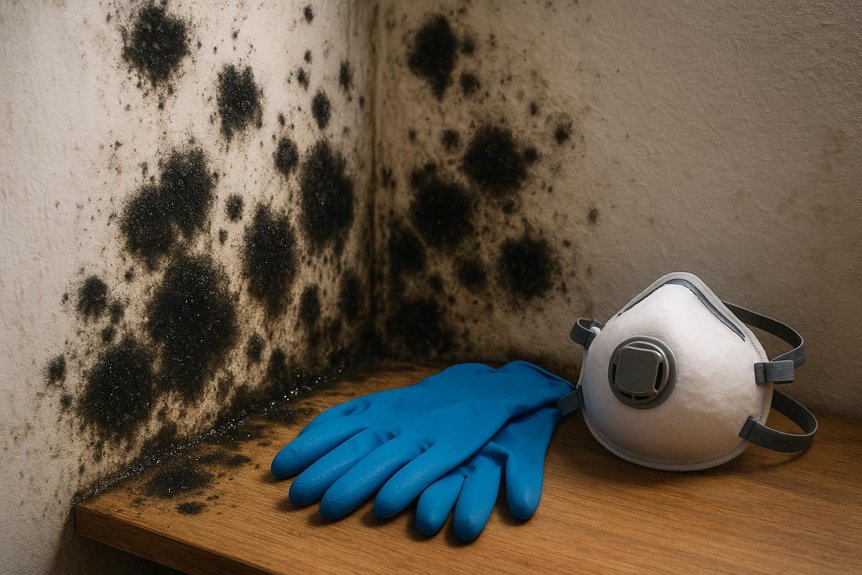
First, perform a visual inspection. Look for black or green patches within the ducts, often accompanied by a musty odor. Don’t overlook air quality indicators; they’re essential. If you notice increased allergy symptoms or respiratory issues, mold might be present.
Use a moisture meter to detect humidity levels, as mold thrives in damp conditions. Additionally, consider air sampling tests to measure mold spores in the air, providing a clearer picture of contamination.
Keep an eye on your HVAC system’s performance; reduced efficiency can signal blockages from mold buildup. By understanding these methods and indicators, you’ll effectively identify potential mold issues.
Why Mold Is a Health Hazard
While often underestimated, mold poses significant health risks that you shouldn't ignore. Mold exposure can lead to various respiratory issues, affecting your overall well-being. When mold spores circulate through air ducts, they infiltrate your living space, compromising indoor air quality.
Here's how mold can impact your health:
- Respiratory Issues: Breathing in mold spores can cause symptoms like coughing, wheezing, and throat irritation. Those with asthma or allergies may experience heightened reactions.
- Chronic Conditions: Prolonged exposure may contribute to chronic respiratory conditions, exacerbating existing health problems.
- Immune System Impact: Mold can weaken your immune response, making you more susceptible to infections and illnesses.
Addressing mold exposure promptly is essential to safeguarding your health and ensuring a safe environment.
Benefits of Regular Air Duct Maintenance
Regular air duct maintenance offers numerous benefits that contribute to a healthier living environment. By confirming your ducts are clean and well-maintained, you greatly improve indoor air quality. Dust, allergens, and contaminants are minimized, reducing the risk of respiratory issues.
Better air quality directly impacts your well-being, making your home a safer space.
Additionally, maintenance enhances energy efficiency. Clean ducts allow your HVAC system to operate smoothly, reducing strain and conserving energy. This not only lowers your utility bills but also extends the lifespan of your system, saving you money on repairs and replacements.
Consistently maintaining your air ducts guarantees peak performance, providing comfort and peace of mind. You're investing in a healthier home and a more efficient energy consumption pattern.
Need Mold Remediation?
Find certified mold removal professionals in your area. Inspection and testing services available.
Find Mold ProsCall (866) 466-9024How Pros Get Rid of Mold
Eliminating mold from air ducts requires a systematic approach that professionals follow meticulously. They use advanced mold removal techniques and professional equipment to guarantee thorough cleaning. Here’s how they do it:
- Inspection and Testing: First, they inspect the ducts using specialized cameras and test air samples to confirm mold presence and type.
- Containment and Removal: Next, they seal off affected areas to prevent spore spread. High-efficiency particulate air (HEPA) vacuums and brushes are used to remove mold effectively.
- Sanitization and Prevention: Finally, professionals apply antimicrobial solutions to sanitize the ducts. They also recommend maintaining humidity levels to prevent future mold growth.
This methodical approach guarantees that mold is eradicated efficiently, protecting your air quality and health.
Choosing a Mold Service
How do you choose the right mold service? First, verify that the company is certified and experienced in handling mold remediation.
Check for references and reviews to guarantee reliability. A qualified service will offer a thorough inspection, addressing mold prevention tips to avoid future issues. They'll utilize advanced equipment to guarantee effective air quality improvement, vital for a healthy home environment.
Ask if they provide a detailed plan of action, including containment and removal steps. Confirm they follow industry standards and use eco-friendly products.
It's essential they offer post-service testing to confirm mold elimination. Choosing the right service not only removes existing mold but also enhances your home's air quality, promoting long-term health and safety.
Frequently Asked Questions
Can Mold in Air Ducts Affect HVAC System Efficiency?
Yes, mold in air ducts can affect your HVAC system's efficiency.
Mold spores can clog filters, obstruct airflow, and force your system to work harder. This not only reduces efficiency but also increases energy consumption.
Additionally, mold compromises indoor air quality, leading to potential health risks.
It's essential to address mold promptly to maintain peak performance and guarantee a healthy environment, so consider regular inspections and cleaning.
How Often Should Air Ducts Be Inspected for Mold?
You should inspect air ducts for mold every 1 to 2 years. This mold inspection frequency helps prevent health implications like allergies and respiratory issues.
Regular checks guarantee your HVAC system remains efficient and safe. If you notice musty odors or increased dust, schedule an inspection sooner.
Consistent monitoring allows timely intervention, maintaining air quality and protecting your home environment. Don’t neglect this essential maintenance task.
What Are Common Causes of Mold Growth in Air Ducts?
Mold growth in air ducts often results from poor moisture control and inadequate air circulation.
When humidity levels rise, condensation can form inside ducts, creating a damp environment ideal for mold.
Guarantee proper ventilation to prevent moisture buildup and maintain efficient air circulation.
Regularly check for leaks or blockages, and keep humidity below 60%.
Is DIY Mold Removal in Air Ducts Effective?
DIY mold removal in air ducts isn’t typically effective. Home remedies might temporarily mask the problem, but they don’t address the root cause.
Mold can spread quickly, and improper handling can worsen it. Use prevention techniques like regular cleaning, maintaining low humidity, and guaranteeing proper ventilation.
However, for effective removal, professional cleaning is recommended as it guarantees thorough eradication and reduces health risks associated with mold exposure.
Can Mold in Air Ducts Cause Unusual Odors?
Yes, mold in air ducts can cause unusual odors. When mold grows, it releases compounds that act as odor sources. These odors are often musty and can permeate your living space.
Health risks are associated with inhaling mold spores, which can aggravate allergies and respiratory issues. Regular inspections and professional cleaning help guarantee that mold doesn't compromise air quality, keeping your home's environment safe and pleasant.
Browse our national mold remediation directory to find certified professionals near you. See pricing guides for Sarasota, Fort Lauderdale, Naples, Austin, Dallas, and more.