Mold Behind Walls How to Detect and Remove Hidden Mold
You might be surprised to learn that hidden mold-causes-detection-and-removal.html">mold-removal-vs-professional-remediation.html">mold-remediation-process-step-by-step.html">mold-in-the-bathroom-causes-and-removal.html">mold-dangers-and-how-to-handle-it.html">mold-removal-after-flooding-emergency-response-guide.html">mold behind walls can wreak havoc on your health and home without you even knowing. Identifying it requires a keen eye for signs like musty odors or discoloration. With the right tools, such as moisture meters and infrared cameras, you can pinpoint its presence. But why is it vital to address this issue promptly, and how can you guarantee a safe removal process? Let’s explore the essential steps.
Signs You Might Have Hidden Mold
How can you tell if there's hidden mold in your home? You’ll notice mold symptoms like persistent musty odors, unexplained allergies, or respiratory issues. These symptoms can indicate mold lurking behind walls or under floors.
Health risks from mold exposure include coughing, sneezing, headaches, or even more severe reactions like asthma attacks.
Pay attention to any discoloration or water stains on walls and ceilings, as these can signal moisture problems conducive to mold growth.
If you or your family experience these symptoms without a clear cause, it’s wise to suspect hidden mold. Mold can also aggravate existing health conditions, making early detection essential.
Trust your senses and act promptly to protect your health and home from these risks.
Detect Mold Without Wall Damage
While dealing with potential mold issues, it's crucial to detect hidden mold without causing wall damage. Start by observing hidden mold indicators such as musty odors, unexplained allergic reactions, and discoloration on walls. These signs suggest mold presence without invasive measures.
Employ mold detection techniques like moisture meters to identify areas with high humidity, a key mold precursor. Infrared thermography can reveal temperature variations indicating moisture buildup behind walls.
Listen for water leaks, another hidden mold indicator, using a stethoscope or simply by keen observation.
Careful inspection and these non-invasive methods allow you to effectively assess mold risks without damaging your property.
Tech Tools for Finding Mold
When it comes to locating hidden mold, leveraging modern technology can greatly enhance accuracy and efficiency.
Start with mold detection devices like moisture meters to identify areas with high indoor humidity. These tools help you pinpoint locations where mold is likely to thrive.
Use infrared cameras and thermal imaging to visualize temperature variations behind walls, revealing potential mold hotspots without needing invasive techniques.
Air quality testers are essential for detecting elevated mold spores in your environment, offering insights into the air you breathe.
For precise identification, employ surface sampling kits to collect samples and analyze them for mold presence.
Why You Can’t Ignore Hidden Mold
Can you afford to overlook hidden mold in your home? Ignoring it isn’t just a risk to your property but a threat to your health. Mold can silently compromise structural integrity and lead to costly property damage. Hidden sources are tricky, but you can’t ignore them. Mold allergies and other health risks can emerge unexpectedly.
Hidden mold poses unseen health risks and can silently damage your home’s structure and value.
Consider these vital points:
- Health Risks: Mold can trigger respiratory issues and allergies.
- Property Damage: Left unchecked, mold can cause extensive damage.
- Structural Integrity: It weakens walls and supports.
- Detection Methods: Early detection is key to managing mold.
- Prevention Strategies: Implement preventive measures to avoid future infestations.
Don’t underestimate the importance of proper cleaning techniques to maintain a healthy environment.
Need Mold Remediation?
Find certified mold removal professionals in your area. Inspection and testing services available.
Find Mold ProsCall (866) 466-9024How to Safely Remove Mold Yourself
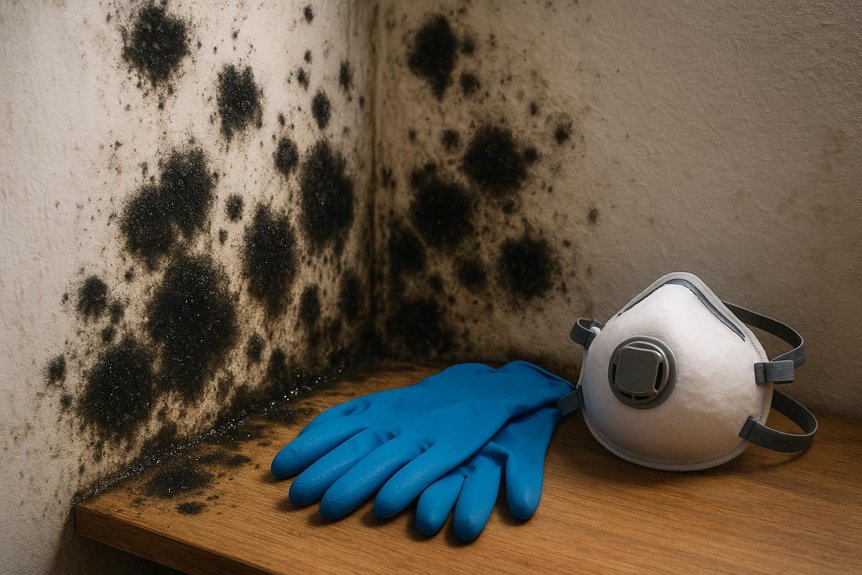
To safely remove mold yourself, start by gathering essential safety gear like gloves, masks, and goggles to protect your health.
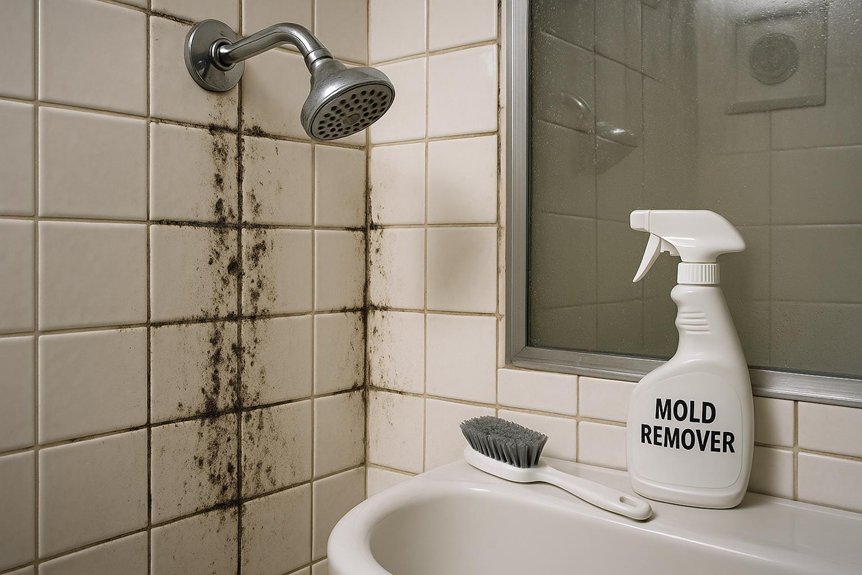
Choose effective cleaning solutions, such as a mixture of water and vinegar or commercial mold removers, to guarantee thorough elimination.
Finally, take preventive measures by fixing leaks and making sure of proper ventilation to stop future mold growth.
Gather Essential Safety Gear
Before tackling mold removal, confirm you've gathered essential safety gear to protect yourself effectively. Mold exposure can be hazardous, so prioritizing your safety is vital.
Equip yourself with the following:
- Safety goggles: Shield your eyes from mold spores and debris.
- Rubber gloves: Prevent skin contact with mold and cleaning agents.
- Respirator mask: Protect your lungs from inhaling harmful particles and guarantee better air quality during mold testing.
- Protective clothing: Wear long sleeves and pants to avoid direct skin exposure.
- Mold testing kit: Assess the extent of mold presence and verify the environment is safe for cleaning.
Choose Effective Cleaning Solutions
When it comes to choosing effective cleaning solutions for mold removal, understanding the right products is essential.
Start by comparing natural cleaners and commercial solutions. Natural options like vinegar or baking soda are eco-friendly and safe for frequent use. However, commercial solutions often provide higher effectiveness, especially on hard surfaces.
Consider safety precautions—always wear gloves and guarantee proper ventilation.
Application techniques vary; spray bottles work well for even distribution, while brushes are ideal for scrubbing porous surfaces. Tailor your choice based on surface types; wood might require different solutions than tile.
Check effectiveness by testing a small area first. Cleaning frequency depends on mold recurrence, but regular inspections can help maintain a mold-free environment.
Choose wisely to guarantee thorough, safe removal.
Prevent Future Mold Growth
Even though mold can be persistent, you can effectively prevent its future growth by implementing strategic measures.
Start by ensuring proper humidity control in your home. Maintain indoor humidity levels below 60% using dehumidifiers or air conditioners.
Ventilate areas prone to moisture, such as bathrooms and kitchens, to reduce condensation. Invest in mold resistant materials, especially in damp areas like basements.
Regularly inspect and repair leaks in roofs, walls, and plumbing.
- Use mold resistant materials in construction and renovations.
- Control indoor humidity with dehumidifiers to stay below 60%.
- Ventilate bathrooms and kitchens to prevent moisture buildup.
- Inspect regularly for leaks and fix them promptly.
- Ensure proper drainage around your home’s foundation.
These steps will greatly deter mold growth.
When to Call the Mold Experts
If you've discovered signs of mold that are extensive or persistent, it’s important to call in mold experts. They possess the skills and tools to handle situations beyond a DIY approach.
A mold inspection checklist will help them assess the severity and spread, guaranteeing no area is overlooked. Professional remediation involves thorough cleaning, removal, and treatment processes that effectively eliminate mold and prevent health risks.
Experts will identify the type of mold, which is vital for targeted treatment. They'll also address the underlying causes, such as leaks or humidity issues.
Attempting to tackle significant mold problems alone can lead to incomplete removal and recurring issues. Trusting experts provides a detailed, efficient solution, safeguarding your home and health.
Stop Mold From Coming Back
To guarantee mold doesn't return, focus on improving your home's ventilation and controlling moisture levels effectively.
Use exhaust fans in high-humidity areas like bathrooms and kitchens, and regularly check for leaks in plumbing and roofing.
Maintaining a consistent indoor humidity level below 60% is essential for long-term prevention.
Improve Ventilation Strategies
Proper ventilation is essential in preventing mold from making an unwelcome return to your home.
It's vital to understand different ventilation types and how they contribute to airflow improvement. By focusing on enhancing ventilation, you can effectively deter mold growth.
Consider these strategies:
- Install exhaust fans: Use them in kitchens and bathrooms to expel moisture-laden air.
- Open windows regularly: Allow fresh air to circulate, especially after activities that generate humidity.
- Use air purifiers: They help maintain clean air by reducing moisture.
- Maintain HVAC systems: Confirm they're clean and functioning to improve overall airflow.
- Utilize attic vents: They prevent heat and moisture buildup.
These steps will enhance your home's ventilation, reducing the risk of mold resurgence.
Control Moisture Levels
While mold spores are everywhere, controlling moisture levels is key to preventing them from thriving in your home. Start by implementing effective humidity control. Aim to keep indoor humidity below 60%, ideally between 30-50%. Use dehumidifiers and air conditioners to maintain these levels, especially in damp areas like basements and bathrooms.
Next, install moisture barriers in places prone to dampness. Vapor barriers in crawl spaces and basements can prevent ground moisture from seeping into your home. Guarantee proper sealing of windows and doors to stop water intrusion.
Regularly inspect plumbing for leaks and repair any issues promptly. Remember, even small leaks can escalate into mold problems.
What Makes Mold Grow Behind Walls?
Hidden mold growth behind walls often occurs due to moisture intrusion, which can be caused by leaky pipes, roof leaks, or high humidity levels. Understanding mold growth factors is essential to preventing it.
When humidity levels exceed 60%, mold finds an ideal environment to thrive. Walls, especially in basements or bathrooms, are susceptible to these conditions.
Consider these key factors:
- Moisture Source: Leaks or condensation can provide the necessary moisture.
- Humidity Levels: Keeping them below 60% helps prevent mold.
- Organic Material: Drywall and wood offer nutrients for mold.
- Poor Ventilation: Traps moisture, promoting growth.
- Temperature: Warm conditions accelerate mold development.
Frequently Asked Questions
What Health Symptoms Are Caused by Mold Behind Walls?
Mold exposure behind walls can cause various health symptoms. You might experience allergic reactions like sneezing or a runny nose.
Respiratory issues, such as coughing and wheezing, are common. Skin irritations can occur, leading to rashes or itchiness.
Chronic fatigue might set in, making you feel constantly tired. In some cases, neurological symptoms, including headaches or dizziness, can appear.
It's essential to identify and address these signs promptly.
Can Mold Behind Walls Affect My Home's Resale Value?
Yes, hidden mold can definitely affect your home's resale value. Buyers are wary of potential health risks and costly repairs.
If mold is suspected, they might negotiate for a lower price or choose another property altogether. You should address any mold issues promptly to protect your investment.
Hire a professional to assess and remediate the problem, ensuring your home remains appealing and maintains its value in the competitive real estate market.
How Long Does It Take for Mold to Grow Behind Walls?
Mold can start growing behind walls in as little as 24 to 48 hours if conditions are right.
You need to be mindful of mold growth timelines and moisture sources. Leaks, humidity, or condensation create ideal environments for mold to thrive.
Regularly inspect and address any moisture issues promptly. By taking proactive steps, you can prevent mold from becoming a bigger problem, ensuring your home remains healthy and safe.
Are There Specific Building Materials More Prone to Mold?
Yes, certain materials like drywall and untreated wood are more prone to mold.
You should use mold-resistant materials, such as treated wood and moisture-resistant drywall, to reduce risks.
Control moisture by ensuring proper ventilation and fixing leaks promptly.
Don’t ignore signs of water damage; they’re a mold magnet.
Investing in dehumidifiers can also help.
Is Insurance Likely to Cover Mold Removal Costs?
Insurance policies often vary, so you should check if mold coverage is included.
Some policies cover mold removal if it's caused by a covered peril, like water damage from a burst pipe. However, gradual issues or neglect mightn't be covered.
Review your policy details and speak with your insurer to understand what's included.
It's essential to know your coverage specifics to avoid unexpected costs for mold remediation.
Browse our national mold remediation directory to find certified professionals near you. See pricing guides for Fort Lauderdale, Naples, Austin, Dallas, Chicago, and more.