Black Mold Dangers and How to Handle It
You might not realize it, but black mold-remediation-process-step-by-step.html">mold-in-the-bathroom-causes-and-removal.html">mold-remediation-services.html">mold-after-water-damage-how-fast-does-it-grow.html">mold-removal-after-flooding-emergency-response-guide.html">mold can pose serious health risks in your home. Identifying it early is vital. Look out for dark patches and a musty odor, as these are telltale signs. Ignoring these can lead to respiratory issues and more. You'll need to know how to manage humidity and fix leaks to prevent growth. Wondering when to tackle it yourself or call a pro? Let's explore the essentials.
Signs You Have a Black Mold Problem
How can you tell if black mold is lurking in your home? Start by using mold detection techniques like visual inspections. Look for dark spots on walls, ceilings, or floors. A musty odor often accompanies these signs.
Don’t ignore areas with poor ventilation or where moisture accumulates, like bathrooms and basements.
Moisture control strategies are vital in preventing mold growth. Fix leaks promptly and guarantee proper ventilation in humid areas. Use dehumidifiers to keep indoor humidity below 60%.
Check your HVAC systems for mold and replace air filters regularly.
If you suspect mold, consider professional testing to confirm its presence. Quick action is essential to prevent health risks and structural damage.
Stay vigilant and manage moisture effectively to maintain a mold-free environment.
What Is Black Mold and Why Is It Dangerous?
You might wonder why black mold is a concern.
It's not just unsightly; it poses serious health risks, including respiratory issues and allergic reactions.
Recognizing black mold involves understanding its dark appearance and the conditions it thrives in, such as damp, humid environments.
Health Risks Explained
When it comes to understanding the dangers of black mold, also known as Stachybotrys chartarum, it’s vital to recognize its potential impact on health.
Exposure can trigger mold allergies, leading to respiratory issues like coughing and wheezing. You might experience skin irritation, such as rashes or itching, which can be uncomfortable and persistent.
Chronic fatigue is another concerning symptom, often linked to your body's immune response trying to combat the mold's effects. Additionally, cognitive effects, including difficulty concentrating and memory problems, can occur, impacting daily life considerably.
It’s important to address any mold issues promptly to protect your well-being and maintain a healthy living environment. Don’t underestimate the risks associated with black mold exposure—it’s more than just an inconvenience.
Identification and Causes
Although often hidden, black mold, or Stachybotrys chartarum, poses significant risks due to its toxic spores. You need to identify it accurately to address the danger effectively. Look for dark, greenish-black patches, often with a slimy texture. Musty odors can also signal its presence. Use mold identification techniques like testing kits or professional assessments to confirm your findings.
Understanding the causes is vital. Black mold thrives in damp environments, so moisture control methods are necessary. Check for leaks in roofs, pipes, or windows, and guarantee proper ventilation in humid areas like bathrooms and basements.
Use dehumidifiers to maintain low humidity levels. By controlling moisture, you can prevent mold growth and protect your home from this hazardous invader.
Common Places to Find Black Mold
You’re most likely to find black mold in areas with high moisture, like bathrooms and kitchens.
Basements and attics are also prime spots, especially if they’re poorly ventilated or have leaks.
Regularly inspect these areas to prevent mold growth and protect your health.
Bathroom and Kitchen Areas
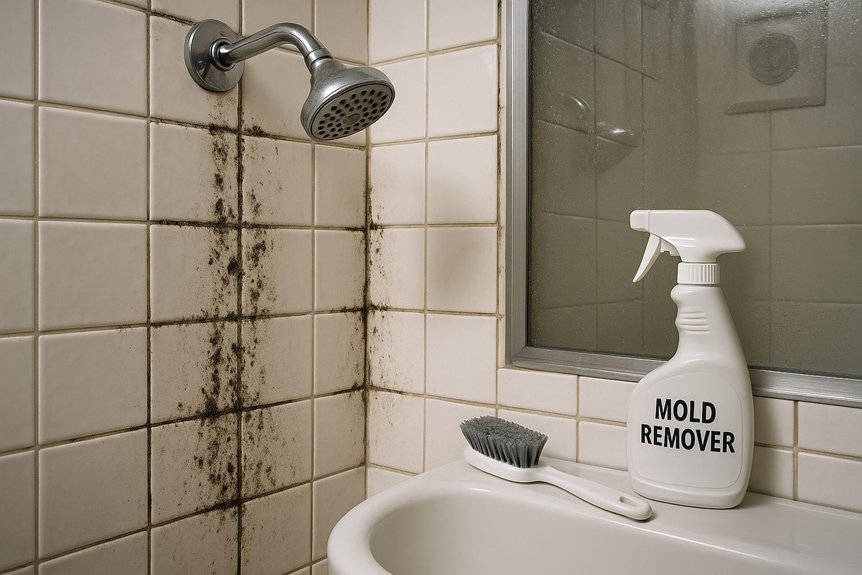
In the damp corners of your home, particularly in bathrooms and kitchens, black mold thrives due to constant moisture. Leaky faucets, steamy showers, and cooking activities create an ideal environment for mold growth.
To tackle this, focus on moisture control. Fix leaks promptly and guarantee proper ventilation by using exhaust fans or opening windows. Regularly clean surfaces with mold-resistant products to prevent buildup.
For effective mold removal, scrub moldy areas with a mixture of water and detergent. Avoid using bleach, as it can sometimes worsen the situation. Ascertain all affected areas are thoroughly dried afterward.
If the infestation is extensive, consider hiring professionals to handle it safely. Consistent vigilance and maintenance are key to keeping your bathroom and kitchen mold-free.
Basement and Attic Spaces
Just like bathrooms and kitchens, basements and attics are prime locations for black mold due to their often damp and poorly ventilated conditions.
In basements, the lack of proper ventilation creates a breeding ground for mold. You’ll want to guarantee effective basement ventilation by using dehumidifiers and fans to reduce moisture levels.
In the attic, inadequate insulation can lead to condensation, providing a perfect mold habitat. Proper attic insulation helps maintain temperature balance, preventing mold growth.
Regularly inspect these areas for leaks or water damage. Address any issues immediately to prevent mold.
Use mold-resistant materials during renovations to add an extra layer of protection. By taking these steps, you can greatly reduce the risk of mold in your home.
Health Risks of Black Mold Exposure
While often hidden, black mold poses serious health risks that you shouldn’t ignore. Exposure can lead to mold allergies, causing persistent respiratory issues. You might notice chronic coughing or experience fatigue symptoms as your body’s immune response kicks in.
If you have mold sensitivity, you’re more likely to develop skin irritation or encounter asthma triggers, worsening your symptoms. The mold spores can invade your airways, making breathing a challenge and leading to complications if left unchecked.
It's essential to recognize these signs early, as prolonged exposure can exacerbate these health problems. Your environment should be a safe haven, free from such hazards. By understanding the risks, you can take proactive steps to protect your health and well-being.
Confirming Black Mold in Your Home
To confirm black mold in your home, start by identifying symptoms like a musty odor or visible dark spots on walls and ceilings.
You should also consider testing for mold presence using home testing kits or professional inspections.
Accurate identification is essential for effective removal and ensuring your home’s safety.
Identifying Mold Symptoms
How can you be sure that black mold is lurking in your home? Start by paying attention to mold allergy symptoms. If you notice unexplained sneezing, coughing, or skin irritation, these could be signs.
Respiratory issues such as difficulty breathing, wheezing, or tightness in the chest are also red flags. These symptoms often worsen in damp areas or when the HVAC system is running, circulating mold spores.
Check for visible signs of mold, like dark, clustered spots in moist areas—bathrooms, basements, or around leaks. Musty odors can also indicate hidden mold.
Monitor your symptoms and surroundings closely. Identifying these early signs helps you take action promptly, protecting your health and home from potential mold-related issues.
Testing for Mold Presence
Noticing symptoms and visible signs of mold might lead you to suspect its presence, but confirming it requires testing. Mold testing methods help determine the type and concentration of mold in your home.
You can start with DIY testing kits, which are affordable and easy to use. These kits typically allow you to collect samples from surfaces or the air, which you then send to a lab for analysis.
However, for more accurate results, consider hiring professionals. They use advanced equipment and techniques to assess mold presence thoroughly.
Professionals can provide insights into not just the type of mold, but also the extent of contamination, guiding you on the best remediation steps.
Prioritize testing to guarantee your home’s safety and your peace of mind.
Need Mold Remediation?
Find certified mold removal professionals in your area. Inspection and testing services available.
Find Mold ProsCall (866) 466-9024Preventing Black Mold in Your Space
Even though it might seem intimidating, preventing black mold in your space is entirely manageable with the right strategies.
Start by focusing on moisture control, as mold thrives in damp environments. Fix leaks promptly and guarantee proper ventilation in areas like bathrooms and kitchens. Use dehumidifiers to maintain indoor humidity below 60%.
Regularly check for water stains and condensation, as these can indicate hidden moisture problems. Quick attention to these issues is one of the most effective mold prevention tips.
Keep gutters clean and direct water away from your home's foundation. Additionally, avoid carpeting in moisture-prone areas and use mold-resistant products when renovating.
Safely Remove Black Mold Yourself
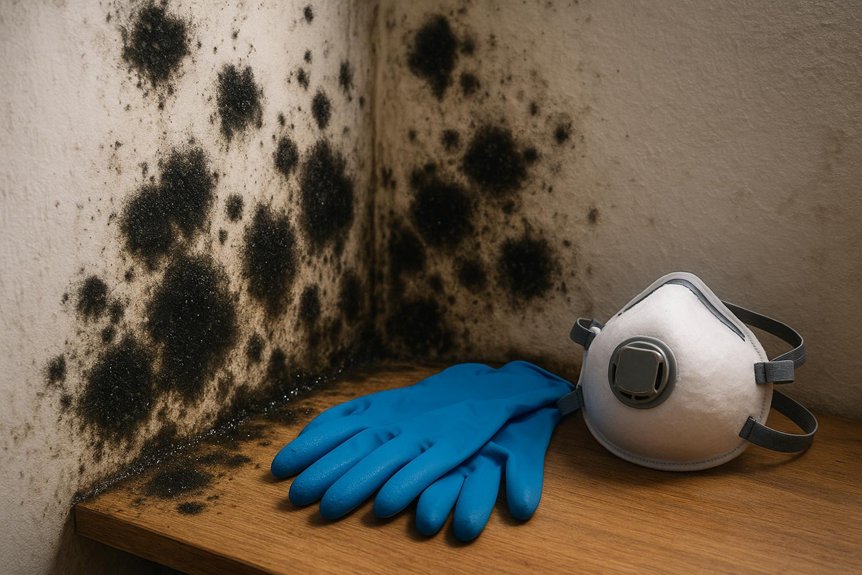
When dealing with black mold, it’s important to guarantee safety and effectiveness. Start by wearing protective gear: gloves, mask, and goggles. Ventilate the area to reduce spores. Use mold removal techniques like a mixture of water and detergent for DIY cleaning. Scrub the moldy surface and rinse thoroughly. Dry the area completely to prevent regrowth.
Here's a quick guide:
| Step | Description |
|---|---|
| Preparation | Wear gloves, mask, goggles |
| Ventilation | Open windows, use fans |
| Cleaning | Use water-detergent mix, scrub surface |
| Drying | Verify area is completely dry |
When Should You Call a Mold Pro?
How do you know when it's time to call in a mold professional? If you're facing a large mold infestation or suspect hidden mold, don't hesitate to seek help.
Mold inspection services can assess the extent and type of mold, ensuring precise identification. If mold covers more than 10 square feet, it's best to consult professionals. They've the equipment and expertise to handle the situation safely.
Professional remediation is essential when mold affects your HVAC system or if there are persistent moisture problems. These experts follow strict protocols, ensuring thorough cleanup and preventing mold recurrence.
Professional remediation is crucial for HVAC mold issues or persistent moisture, ensuring effective cleanup and preventing recurrence.
If anyone in your household has health issues related to mold exposure, prioritize safety by contacting a professional. Trust their skills to restore a healthy environment.
Understanding Black Mold Removal Costs
If you're facing a black mold issue, understanding the costs involved is crucial for effective planning and budgeting. Removal costs vary based on several factors. The size of the affected area is a primary cost factor; larger spaces require more extensive treatment.
Different removal methods also impact costs. Basic cleaning might be sufficient for small areas, but larger infestations often need professional intervention, which can be pricier.
Another cost factor is the mold’s location. Mold in hard-to-reach places, like behind walls, may increase labor expenses. Additionally, costs may rise if structural repairs are needed post-removal.
Always obtain multiple estimates from certified professionals to guarantee you're getting a fair price. By understanding these cost factors, you can better manage your mold removal budget.
Keep Your Space Mold-Free
To keep your space mold-free, start by controlling moisture levels, as mold thrives in damp environments. Monitor indoor humidity, aiming for levels between 30-50%. Use dehumidifiers or air conditioners to maintain this balance. Repair leaks promptly and guarantee proper ventilation in areas like bathrooms and kitchens.
Implement mold prevention tips by regularly checking hidden spots like under sinks and around windows. Clean and dry any water-damaged areas within 24-48 hours to prevent mold growth. Consider using mold-resistant products when renovating or building, such as mold-inhibiting paints and drywall.
Confirm gutters are clear and direct water away from your home's foundation. Regularly clean and inspect HVAC systems to avoid mold buildup.
Frequently Asked Questions
Can Black Mold Affect Pets?
Yes, black mold can affect pets. When your pets experience mold exposure, they might show symptoms like sneezing, coughing, or lethargy.
Pay attention to unusual behaviors or respiratory issues. It's essential to address mold problems promptly to protect your pets' health.
Make sure your home is well-ventilated and clean to minimize risks. If you suspect mold exposure, consult a vet for guidance and treatment options.
How Long Does It Take for Black Mold to Spread?
Black mold can start to spread within 24 to 48 hours under the right conditions.
You need to take into account mold growth factors like moisture, temperature, and organic material presence.
If there's unchecked humidity or water damage, mold quickly colonizes surfaces.
It's essential to address any leaks or dampness immediately to prevent extensive growth.
Regular inspections and proper ventilation are key to controlling the spread and maintaining a healthy environment.
Are Certain Climates More Prone to Black Mold?
Yes, certain climates are more prone to black mold, especially humid environments.
You need to be vigilant in places with high humidity because mold thrives in moisture-rich conditions.
Control moisture by using dehumidifiers and ensuring proper ventilation.
Fix leaks promptly and keep areas dry to prevent mold growth.
Regular inspection and maintenance can help you manage and reduce the risk of black mold in susceptible climates.
What Are the Best Materials to Prevent Mold Growth?
To prevent mold growth, you should use mold-resistant paints and install moisture barriers.
Mold-resistant paints contain antimicrobial properties that deter mold spores. Apply these on walls in damp areas like bathrooms.
Moisture barriers, such as plastic sheeting or waterproof membranes, effectively prevent water intrusion in basements or crawl spaces.
Regular maintenance, proper ventilation, and humidity control also play vital roles in keeping mold at bay.
Does Black Mold Have a Distinct Smell?
Yes, black mold has a distinct musty, earthy smell. When you notice this odor, it's essential for black mold identification and to check for black mold symptoms like respiratory issues or allergies.
Trust your nose; it’s often the first sign. Investigate areas with moisture like bathrooms or basements.
If you suspect black mold, consider professional inspection to guarantee your home’s safety and address any potential health risks promptly.
Browse our national mold remediation directory to find certified professionals near you. See pricing guides for San Antonio, Fort Myers, Colorado Springs, Tampa, Los Angeles, and more.