Recessed Lighting Installation Guide and Cost
You're considering recessed lighting for your space, a smart move for both style and function. Start by selecting fixtures that align with your room's aesthetics and required brightness. Strategic placement guarantees ideal illumination, while safe wiring is essential—don't skip cutting power first. Budgeting involves more than just fixture costs; think about installation fees and future energy expenses. Curious about the steps to execute this smoothly and cost-effectively?
Step-by-Step Guide to Installing Recessed Lighting
Installing recessed lighting can transform a room, and following a clear process guarantees success. Start by planning your lighting design, confirming you consider the room’s layout and function. Mark the ceiling where each light will go, maintaining even spacing.
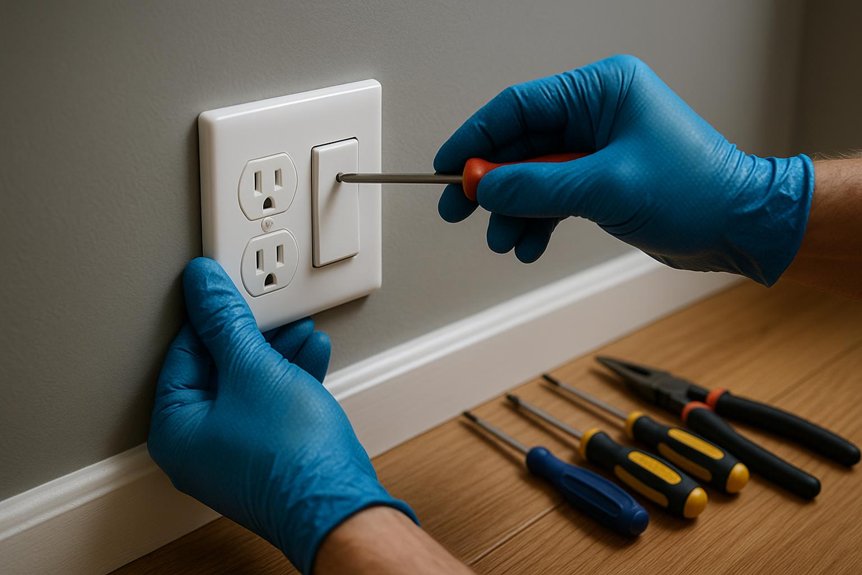
Gather your installation tools: a stud finder, drywall saw, wire stripper, and voltage tester. Cut the marked holes carefully using the drywall saw.
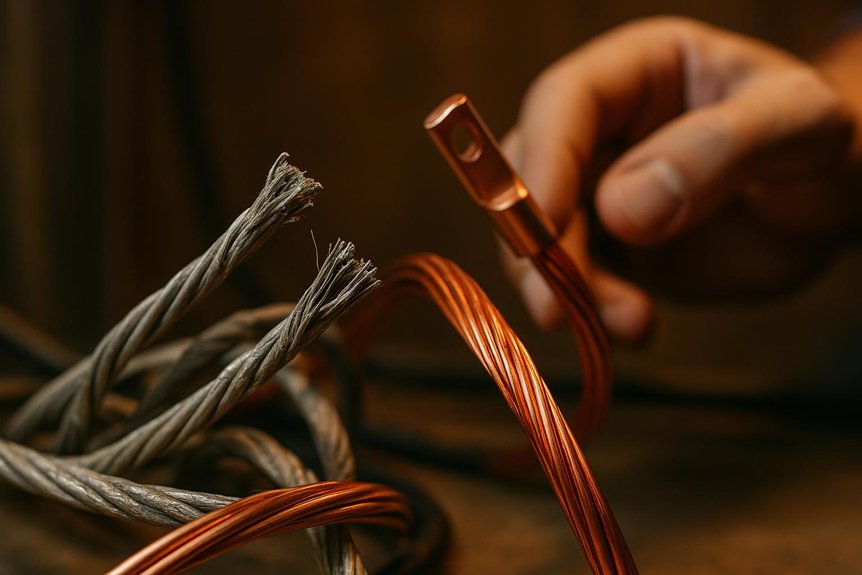
Next, turn off the power and run the wiring from your power source to each light location. Use the wire stripper to prepare the wires, then connect them securely.
Insert the lighting housing into the ceiling, making sure it's flush. Finally, test each fixture with the voltage tester to confirm everything's working correctly. Your precise efforts will yield a beautifully lit space.
Choosing the Right Fixtures for Your Space
With your wiring securely in place, it's time to focus on selecting the right fixtures that will enhance your space's design and functionality.
Start by evaluating fixture styles that complement your room's aesthetics. Whether you prefer modern, minimalist, or traditional, there's a style to match your taste.
Evaluate fixture styles that match your room’s aesthetics—modern, minimalist, or traditional—to suit your taste.
Next, consider brightness levels, essential for setting the right ambiance. Opt for adjustable fixtures if you need flexibility, allowing you to modify light intensity as needed.
Choose LED options for energy efficiency and longevity. Confirm the fixtures fit your ceiling type, whether it's sloped or flat.
Consider trim options like baffles or reflectors to reduce glare and enhance light distribution.
Your choices will considerably impact both the visual appeal and practicality of your lighting setup.
Where to Place Your Recessed Lighting
Strategically placing your recessed lighting can dramatically transform a room's atmosphere.
Begin by identifying the room function, as it dictates your lighting needs. In a kitchen, focus on task lighting over countertops, while in a living room, aim for ambient illumination.
Consider spacing considerations carefully. A general rule is to space the lights apart at a distance equal to half the ceiling height. For instance, with an 8-foot ceiling, place lights approximately 4 feet apart. This guarantees even distribution without creating harsh shadows.
Also, be mindful of specific areas that require accent lighting, such as artwork or architectural features.
Avoid placing lights too close to walls to prevent unwanted shadows. By tailoring your layout to the room's purpose, you’ll achieve ideal lighting results.
Need an Electrician?
Find licensed electricians in your area. Same-day and emergency service available.
Find ElectriciansCall (866) 314-4454How to Wire Safely
Making sure safe wiring is essential when installing recessed lighting.
Begin by turning off the power at the circuit breaker to prevent any electrical-services-for-businesses.html">electrical-safety-tips-every-homeowner-should-know.html">electrical hazards. Use a voltage tester to confirm the power is completely off.
Carefully plan your wiring path, keeping wiring safety a top priority. Use appropriate wire gauge for your lighting load, and make certain all connections are secure and insulated.
Next, connect the wires to the fixtures, following the manufacturer’s instructions closely. Double-check all connections before restoring power.
Properly label circuit breakers to avoid confusion in future maintenance. If you're unsure at any step, consult a licensed electrician.
Calculate Your Recessed Lighting Costs
Calculating the costs of recessed lighting involves several key components. First, consider the number of fixtures required for your space, which depends on room size and desired lighting styles.
Factor in the type of bulb you’ll use, as LED options offer superior energy efficiency and lower long-term costs compared to incandescent or halogen bulbs.
Next, account for installation expenses. Hiring a professional guarantees safety and compliance with electrical codes, though it increases initial costs.
Don’t forget additional materials like wiring, dimmers, and housing.
Finally, consider ongoing energy costs. Energy-efficient choices may have a higher upfront price but reduce electricity bills over time.
Frequently Asked Questions
What Are the Benefits of Using LED Bulbs in Recessed Lighting?
You'll find LED bulbs in recessed lighting offer significant energy savings and versatile color temperature options.
They consume less power, reducing your electricity bill while providing the same brightness as traditional bulbs.
With various color temperatures available, you can customize the ambiance to suit your space, whether warm and cozy or cool and modern.
Their longevity also means less frequent replacements, saving time and effort in maintenance.
How Can I Retrofit Existing Fixtures With Recessed Lighting?
To retrofit existing fixtures with recessed lighting, first assess fixture compatibility to confirm the housing fits.
Gather essential installation tools like a drywall saw, wire cutter, and voltage tester.
Cut the ceiling for the new can light, secure the housing, and connect the wiring.
Verify the power's off before starting.
Install the trim and bulb, then restore power to test.
This precise approach guarantees a seamless changeover.
What Are Common Mistakes to Avoid During Installation?
Avoid wiring errors by confirming connections are secure and compatible with your electrical system.
Double-check circuit capacity to prevent overloads.
Placement mistakes can ruin aesthetics and functionality; measure ceiling joists and spacing carefully to achieve even lighting.
Don’t forget to reflect on the direction and purpose of light—avoid placing fixtures too close to walls or in areas where they cause glare.
Always follow local codes to confirm safety and efficiency.
How Does Recessed Lighting Impact Energy Efficiency?
Recessed lighting enhances energy efficiency by offering ideal light distribution, reducing the need for additional fixtures.
You’ll experience energy savings as these lights often use LED bulbs, which consume less power and last longer than traditional bulbs.
Confirm the installation is airtight to prevent energy loss.
Can Recessed Lighting Be Installed in Sloped Ceilings?
Yes, you can install recessed lighting in sloped ceilings. Start by considering sloped ceiling considerations, such as the angle and height.
Use adjustable housings specifically designed for sloped surfaces to guarantee proper alignment.
Installation techniques include securing the housing to the joists and using angled trims to direct light effectively.
Verify electrical connections are secure and check compatibility with dimmers for versatile lighting control.
Follow manufacturer's guidelines for best results.
Browse our national electrical directory to find certified professionals near you. See pricing guides for Cincinnati, Tampa, San Diego, Las Vegas, Sacramento, and more.